Krško
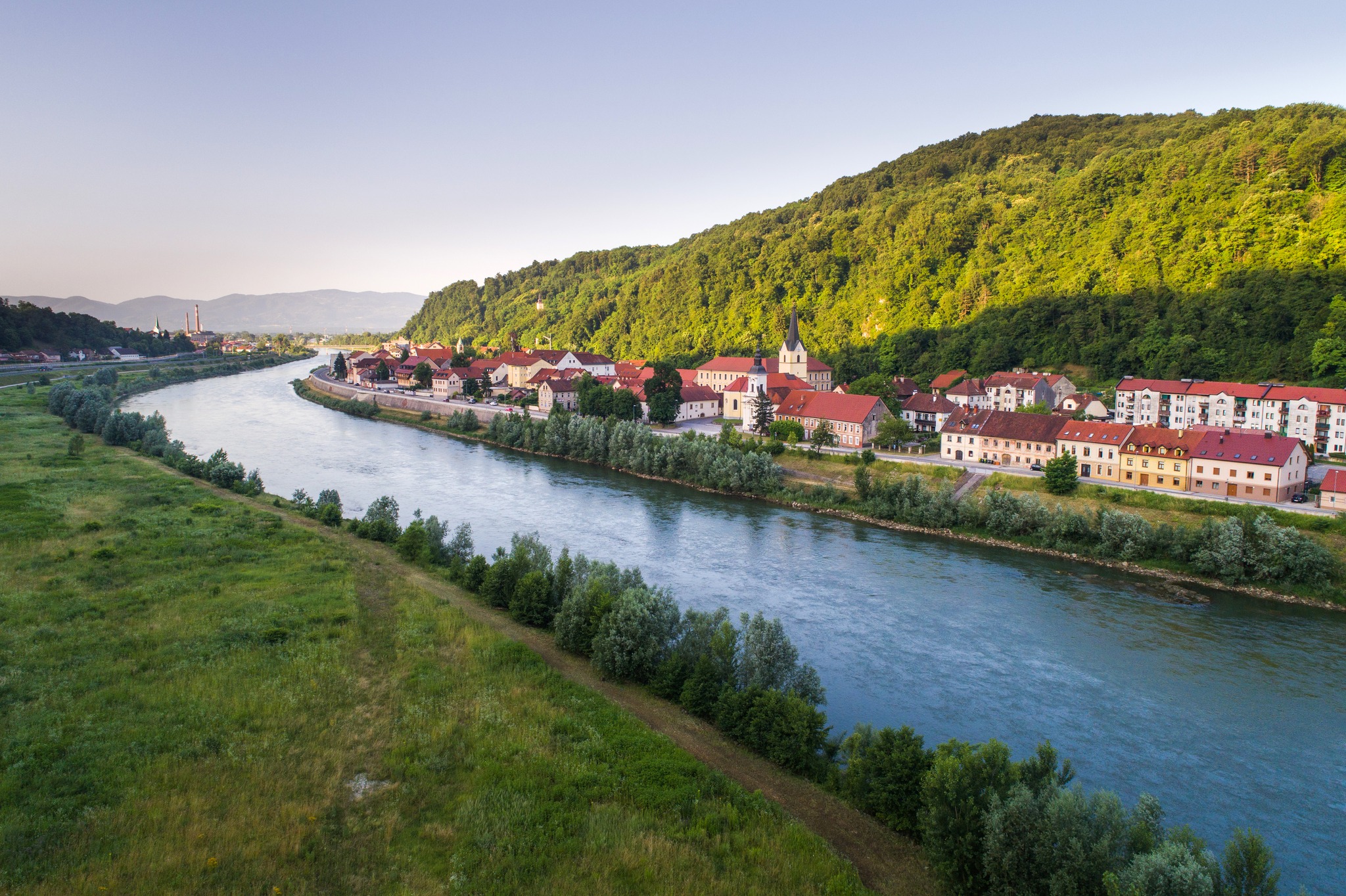
A medieval town embraced by green forests and vineyards, pulsing with energy.
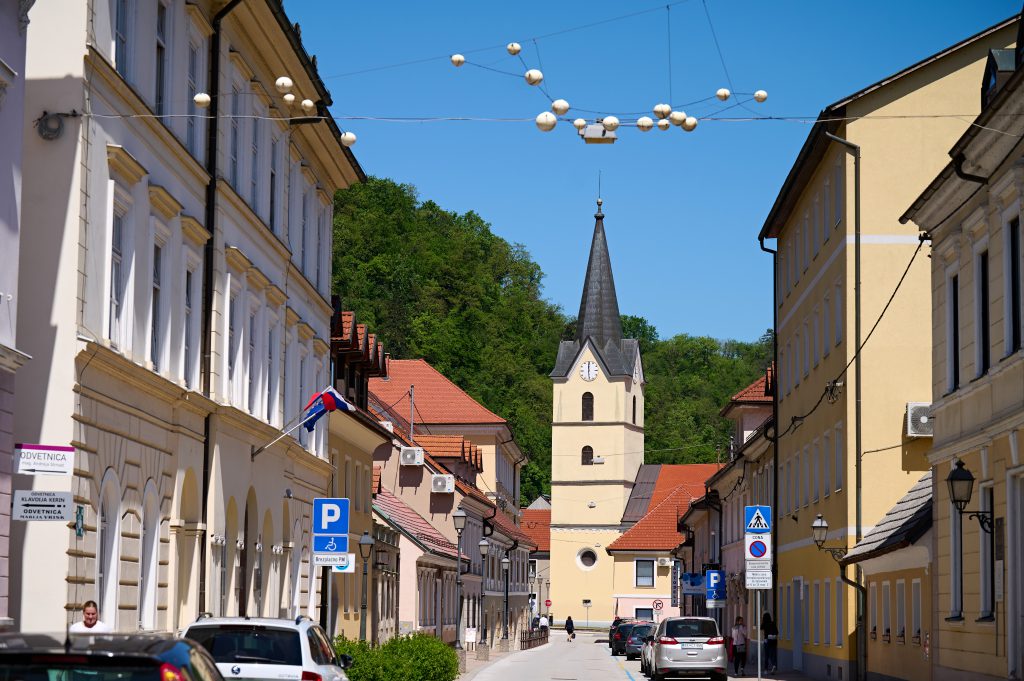
Krško is a late medieval town set along the right bank of the Sava River. Shaped by centuries of change, the town expanded to the left bank in modern times through the rise of industry and later the development of energy production. Once a vital hub of the Protestant movement and the final home of Janez Vajkard Valvasor, Krško flourished in the 19th century as a lively urban centre. Elegant townhouses of prominent townspeople gave it a refined, forward-looking character that remains visible today. Today, Krško invites visitors to experience its vibrant cultural pulse and rich culinary scene, brought to life through a diverse programme of events that animate the town throughout the year.

TIC Krško
What to see in this city?
Get to know the city
Krško City Museum
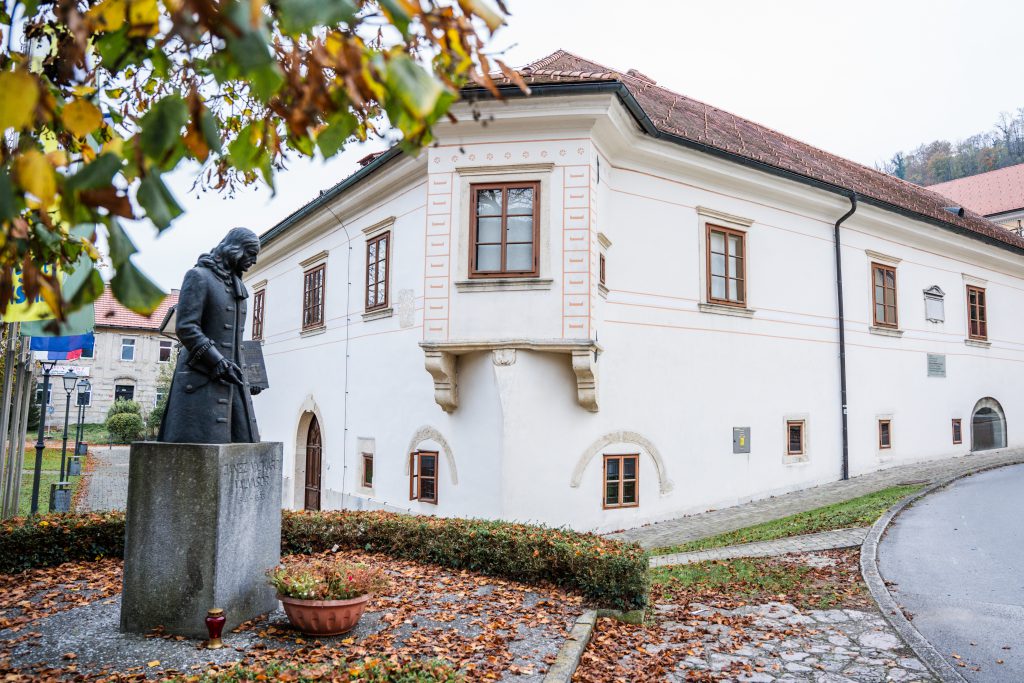
Krško City Museum, operating as a unit of the Kulturni dom Krško, invites visitors to discover the rich cultural soul of the town within an elegantly restored complex of three historic bourgeois houses. Set in the very heart of the old town, along with the parish church of St John the Evangelist, the former Church of the Holy Spirit and the former civic school building, the museum forms the most distinguished architectural quarter of Krško, protected as a cultural monument since 1993. The museum brings to life the history of Krško and its surroundings, revealing the people, ideas and events that have shaped this vibrant place. A visit also includes the Mencinger House, adorned with remarkable Renaissance frescoes, and the Hočevar Mausoleum, one of the most impressive monuments of its kind in Slovenia.
The Krško Gallery
The Krško Gallery, one of the three museum units of the Kulturni dom Krško, is located in the deconsecrated Church of the Holy Spirit. Built in the 1770s at the initiative of the Auersperg family and designed within the circle of the Graz-based architect Johann Fuchs, it provides an inspiring architectural backdrop for contemporary artistic expression. Operating as the Krško Gallery since 1966, the space has, in the past decade, become a recognised platform for art exhibitions conceived specifically for this unique venue, which create a compelling dialogue between visual art and historic architecture.
The Town Park
The town park unfolds on the grounds of a former Capuchin garden and the town’s historic cemetery. The former Church of the Holy Cross, once part of the cemetery complex, has been thoughtfully transformed into an atmospheric event venue. Strolling through the park, visitors encounter several of Krško’s most significant landmarks, including the Hočevar Mausoleum, the Valvasor Library with the Capuchin monastery and its renowned library, the Grove of Distinguished Citizens and the Monument to the National Liberation Struggle and the Exiles.
Valvasor Library Krško
Valvasor Library Krško is a true treasury of knowledge and cultural heritage, offering an inspiring gateway into Slovenia’s history, literature and artistic legacy. In 2022, the library was unveiled in a striking new architectural design that immediately captured the attention. Its award-worthy architecture harmoniously blends contemporary design trends with carefully preserved traditional elements. In 2023, Valvasor Library Krško was shortlisted among the four finalists for the prestigious international Public Library of the Year Award, presented annually by the International Federation of Library Associations and Institutions (IFLA) to the world’s best new public libraries. The library also houses a special collection dedicated to speedway.
The Capuchin Library
The Capuchin Library is an exceptionally rich monastic library, housed for centuries on the upper floor of the monastery building dating back to 1640. Its collection of around 1,500 volumes includes remarkable treasures such as the Calepinus Dictionary from 1502, a Latin Bible printed in Lyon (Biblia cum summarioru, 1514) and the sermons of Janez Svetokriški (Johann Baptist von the Holy Cross) in the Slovenian language. Together, these works reflect the intellectual and spiritual legacy of the Capuchin order, whose activities over the centuries encompassed theology, philosophy, medicine, and law.
Hočevar Mausoleum
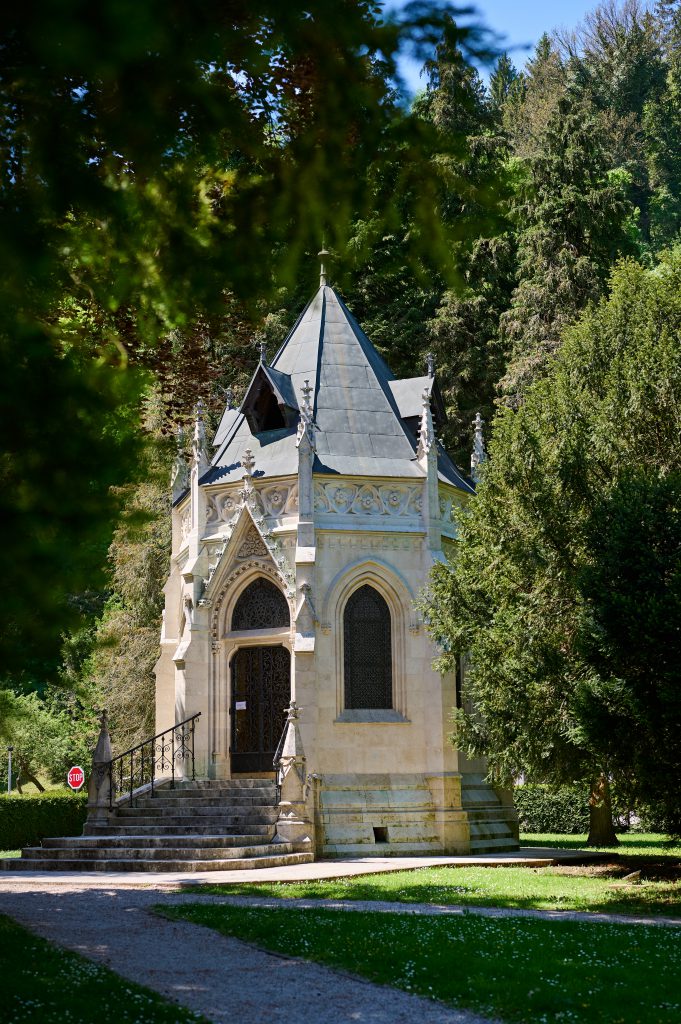
The Hočevar Mausoleum is a distinguished cultural monument built in the Neo-Gothic style and completed in 1890. Noted for its richly articulated architectural elements and exceptional craftsmanship, it reflects a remarkable level of care in the design of both its exterior and interior details. Serving as the final resting place of the Hočevar couple – prominent benefactors and patrons of the town of Krško – the mausoleum stands as a lasting symbol of their legacy. It is gracefully set within the town park, in the southwestern part of the former municipal cemetery.
Rajhenburg Castle
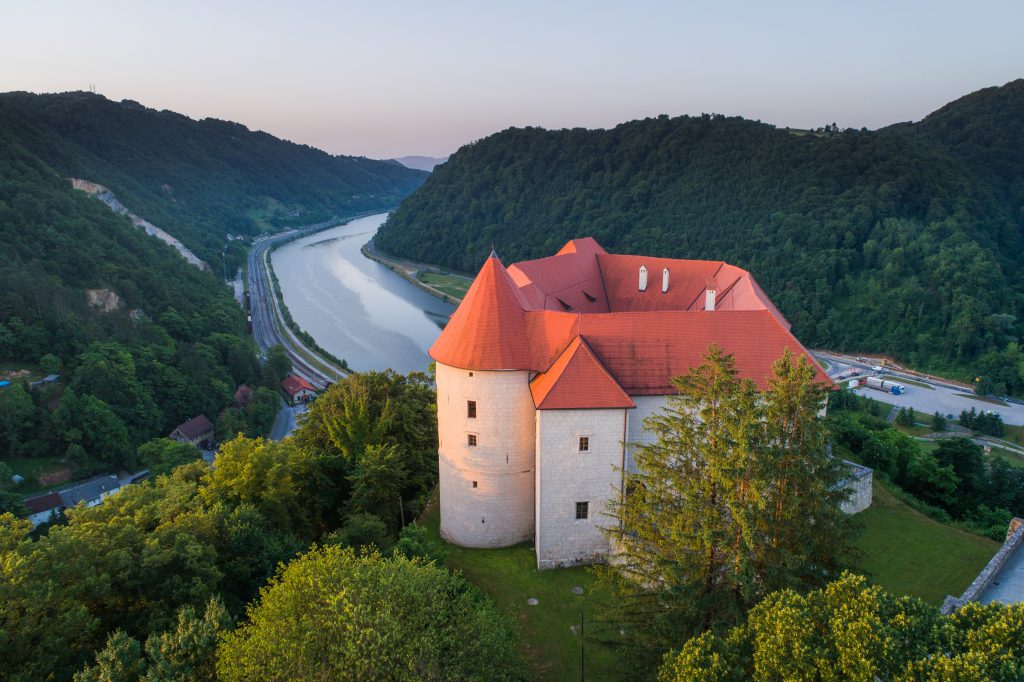
Rajhenburg Castle rises dramatically from a 60-metre-high rocky promontory above the confluence of the Brestanica stream and the Sava River, commanding the landscape for centuries. Throughout the Middle Ages, the castle and its estate were administered by ministeriales and knights who derived their name from the stronghold itself – the Rajhenburg family. After their lineage died out, new owners in the 17th and 18th centuries introduced refined architectural additions, gradually shaping the castle into the form admired today. A new chapter began in 1881, when Rajhenburg Castle was acquired by Trappist monks and transformed into a monastery that functioned until the outbreak of the war. Today, the castle is a vibrant cultural and museum venue, where history is thoughtfully interpreted and brought to life. It also houses the Michelin-listed Restaurant A3 and a sparkling wine cellar.
Bohor
The Bohor range reveals traces of the ancient Pannonian Sea and vast, primeval forests that have long provided refuge for a rich diversity of plant and animal life. In its narrow, steep valleys, lively mountain streams carve dramatic courses, giving rise to enchanting waterfalls. The plateau-like slopes of Veliki Javornik and Koprivnik are especially notable in early spring, when they become the sole natural habitat in Slovenia of the winter aconite (Eranthis hyemalis), a rare, golden-hued flower that lends Bohor a distinctive natural identity.
Ajdovska jama
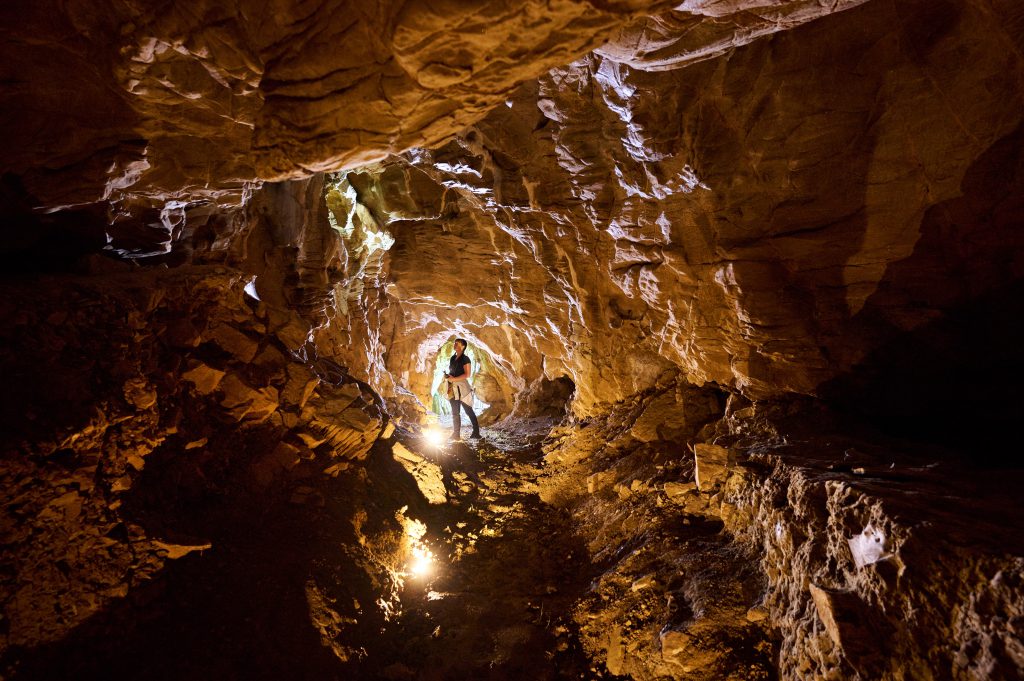
In the eastern part of the Krško Hills, a small sanctuary has lain hidden for thousands of years. This secluded cave once served as a spiritual site where local communities sought answers to questions of origin, purpose, and the meaning of life while honoring their deceased. Known locally as Ajdovska jama near Nemška vas (also referred to as Kartuševa jama), it is among the oldest archaeological sites in Slovenia. Today, the cave plays a vital role as a summer refuge for endangered bat species, which is why access is carefully restricted.