Jože Plečnik in Slovenia’s Historical Towns

SLOVENIA’S GREATEST ARCHITECT


The bridges, squares, and riverbanks of Ljubljana stand as a testament to the visionary genius of architect Jože Plečnik, who transformed the city into a harmonious, human-scaled urban masterpiece. By thoughtfully integrating architecture, landscape, and public life, Plečnik created spaces that continue to shape Ljubljana’s unique identity. Today, his innovative urban interventions are celebrated as exceptional achievements in public space design and are recognized as part of the UNESCO World Heritage List.

Plečnik’s creativity is also celebrated and showcased in many Slovenian towns and cities, particularly in Slovenia’s historical towns.
Discover Plečnik’s works and legacy in Slovenia’s historical towns.
Listen to what Dr. Noah Charney, art historian and renowned Plečnik expert, has to say about the architect in the video below.


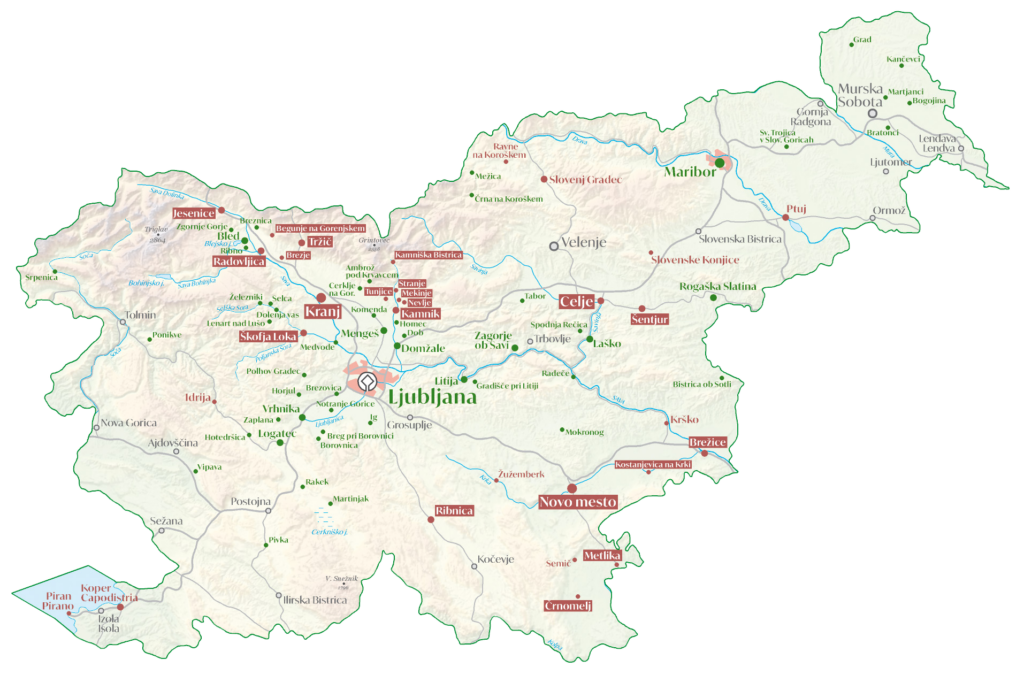
Plečnik’s Selected Works in Slovenia’s Historical Towns:


KAMNIK

  • HOUSE FAÇADE ON MAISTROVA STREET:
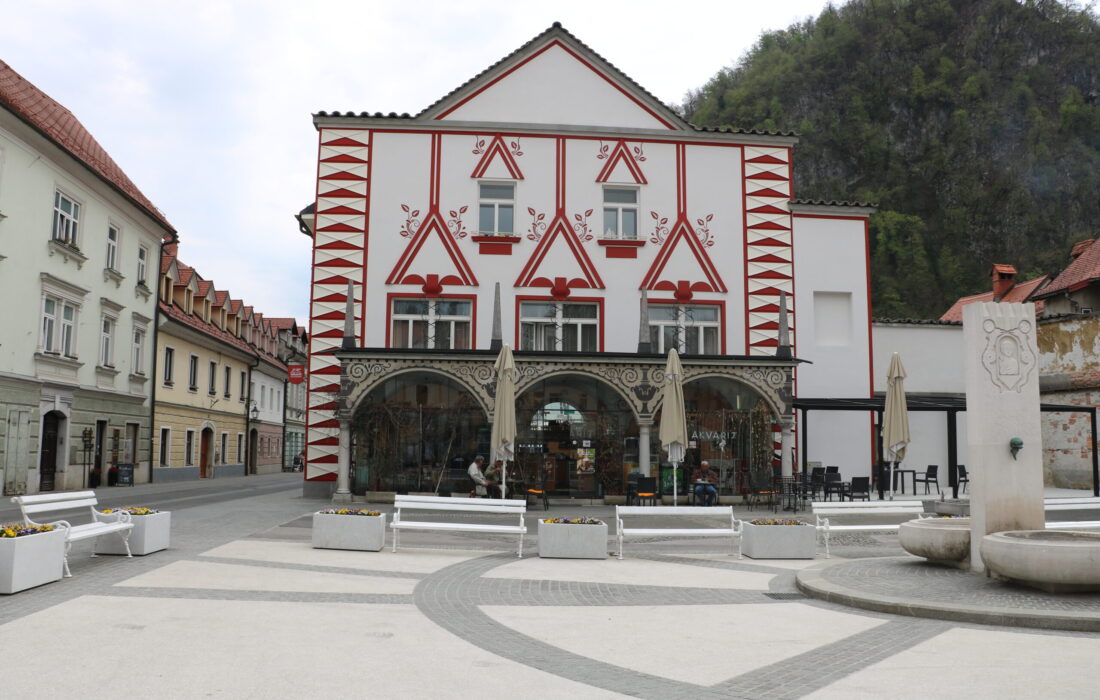
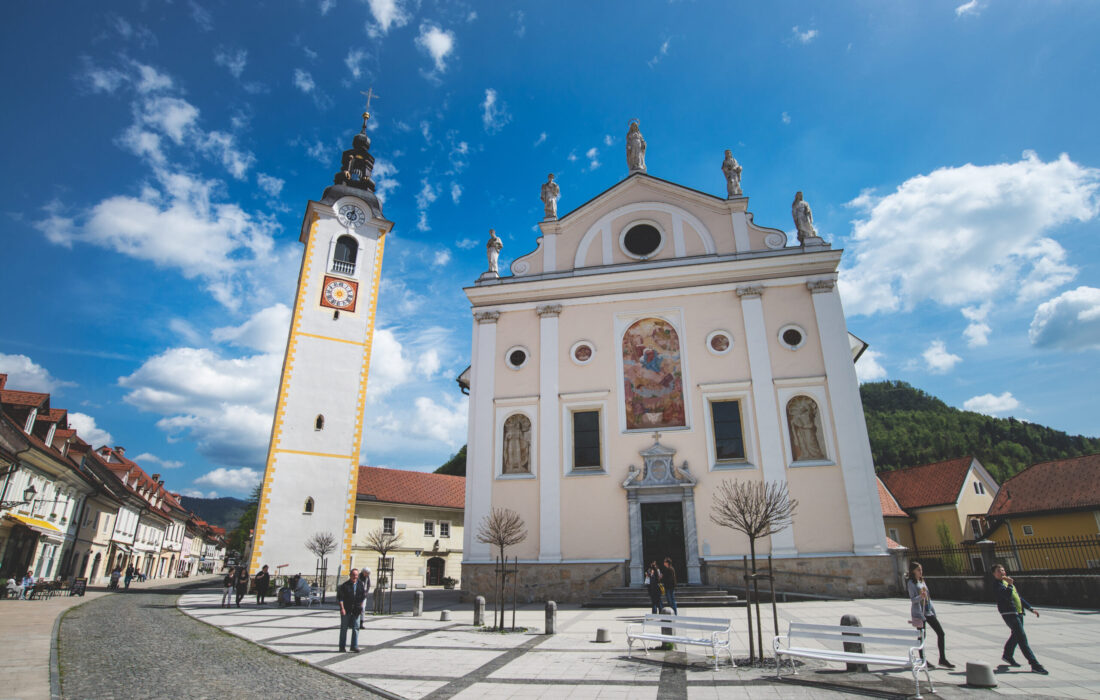
    The façade of the house at Maistrova 2 forms part of Plečnik’s broader vision for the comprehensive redesign of Kamnik’s Main Square. The project was completed by his student and assistant Anton Bitenc. The building is distinguished by its striking sgraffito-decorated façade.
  • KAMNIK MESTO RAILWAY STATION:
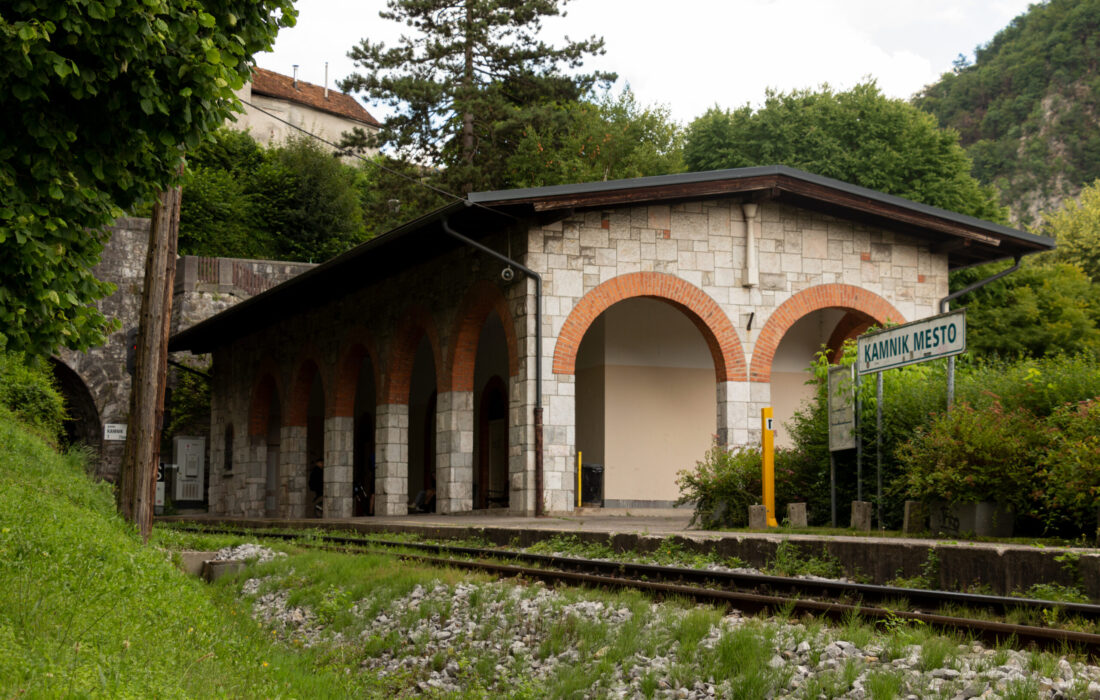
    This railway station combines the ideas of Jože Plečnik and his student Vinko Glanz. Plečnik contributed the design of the building’s outer shell and its recognisable benches, lending the station a distinctive architectural expression.
  • BAPTISTRY IN THE CHURCH OF THE IMMACULATE CONCEPTION OF MARY:
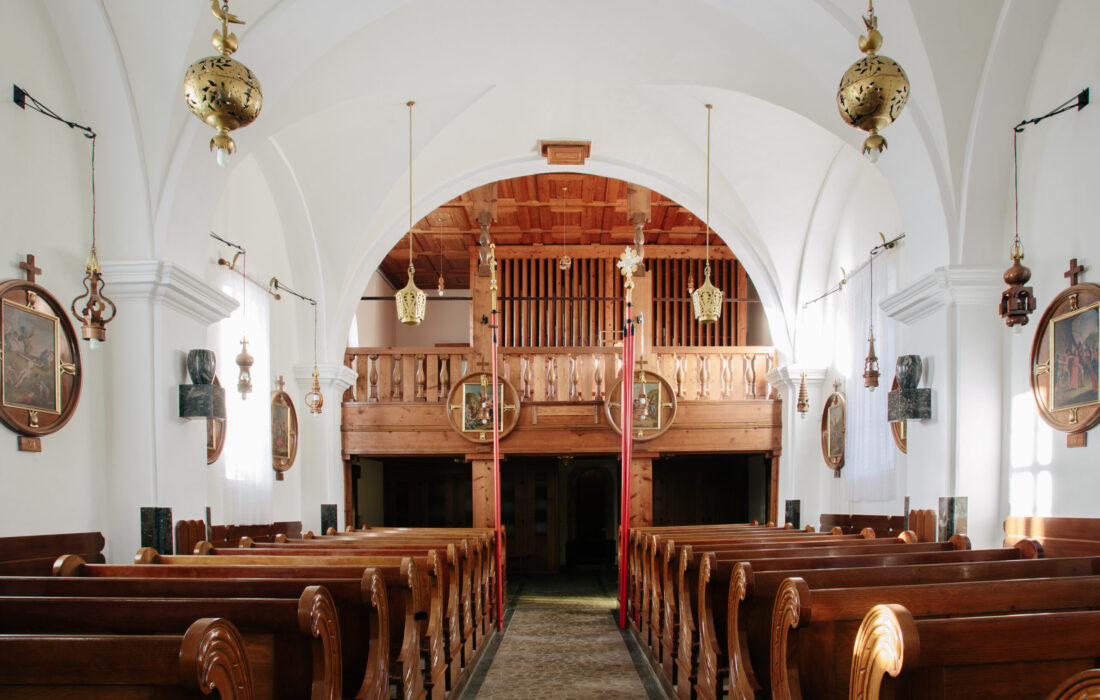
    Plečnik redesigned the baptistry beneath the choir loft with the assistance of two of his students, Erna Tomšič and Majda Neřima, creating a refined and harmonious sacred space.
  • MEKINJE CEMETERY:
    At the cemetery in Mekinje, Plečnik designed the Golob family tombstone.
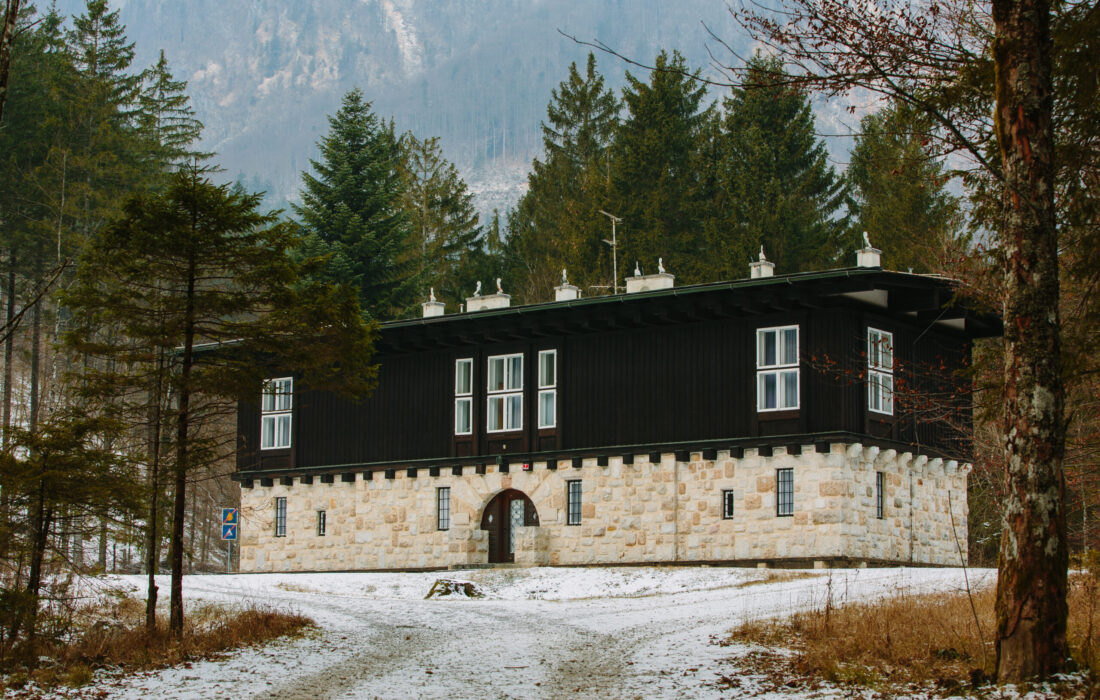
  • KING ALEXANDER’S HUNTING LODGE (Kamniška Bistrica):
    Built in 1934 for the Royal Court of Yugoslavia, this hunting lodge is nestled in the picturesque Kamniška Bistrica Valley beneath the majestic Kamnik–Savinja Alps.
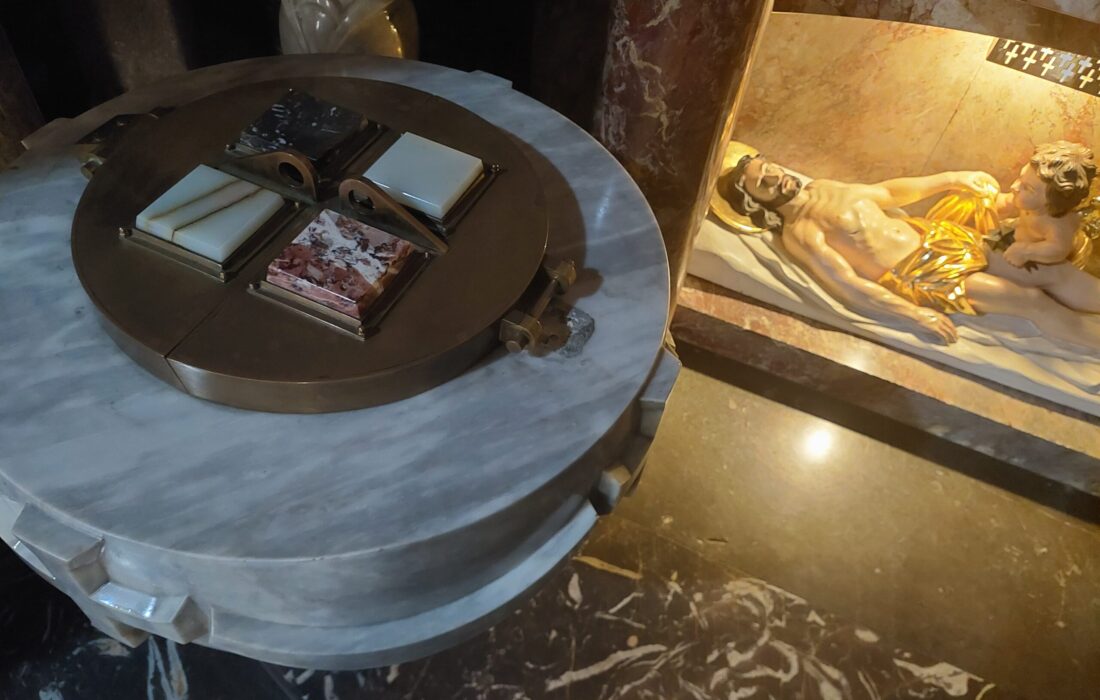
  • CHAPEL OF THE HOLY SEPULCHRE IN THE CHURCH OF ST JAMES:
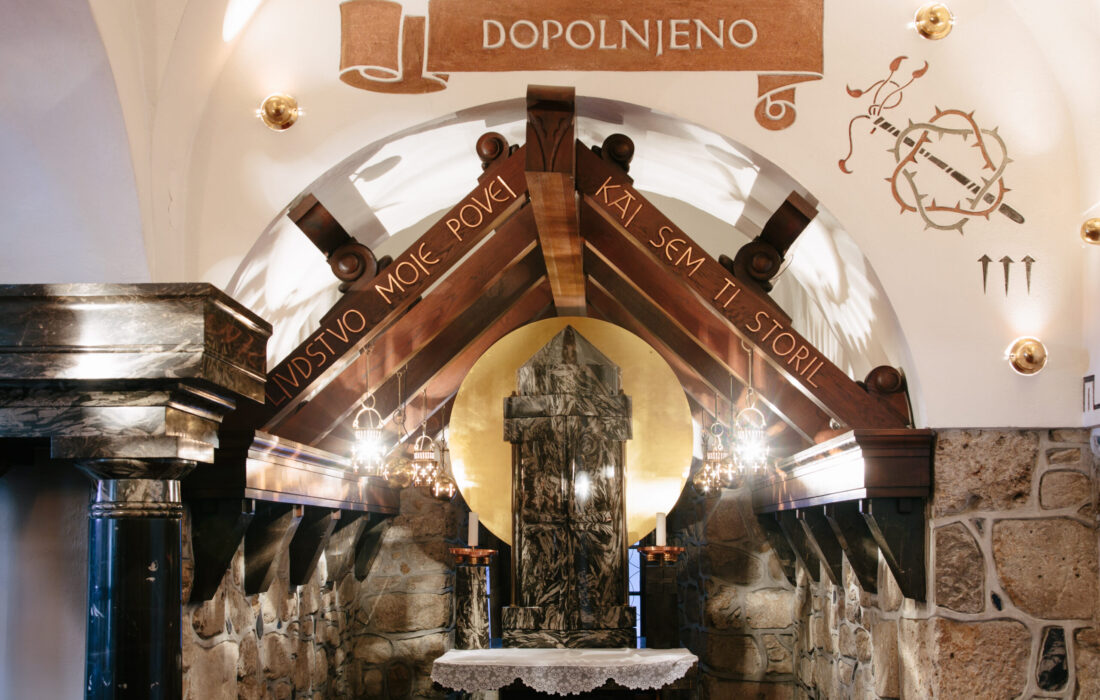
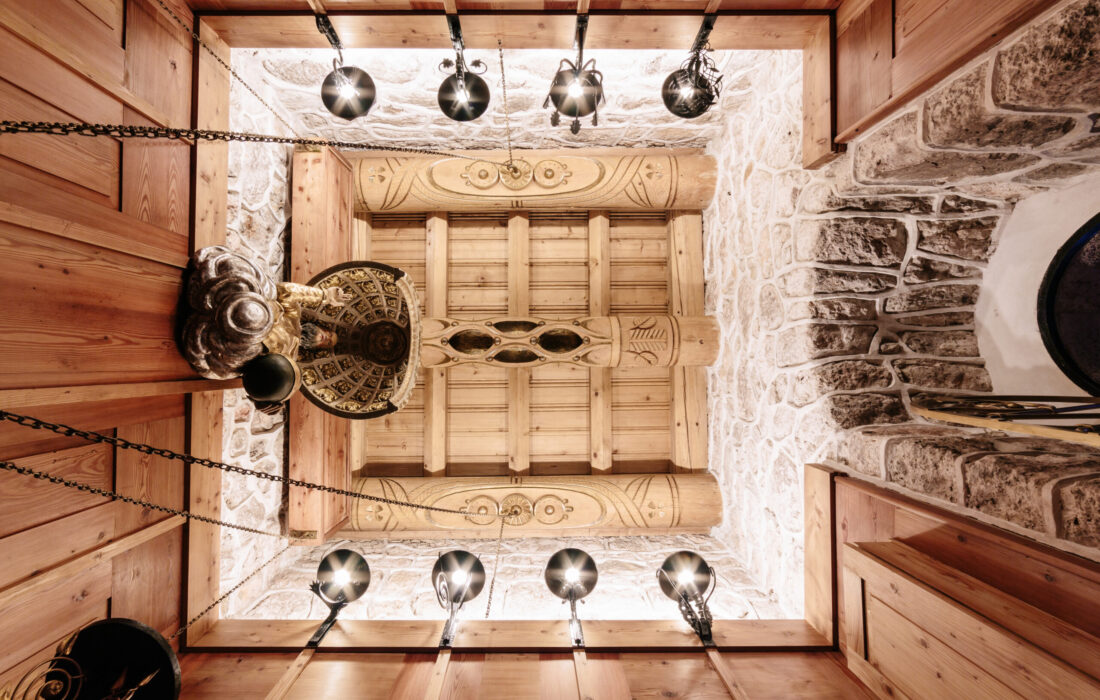
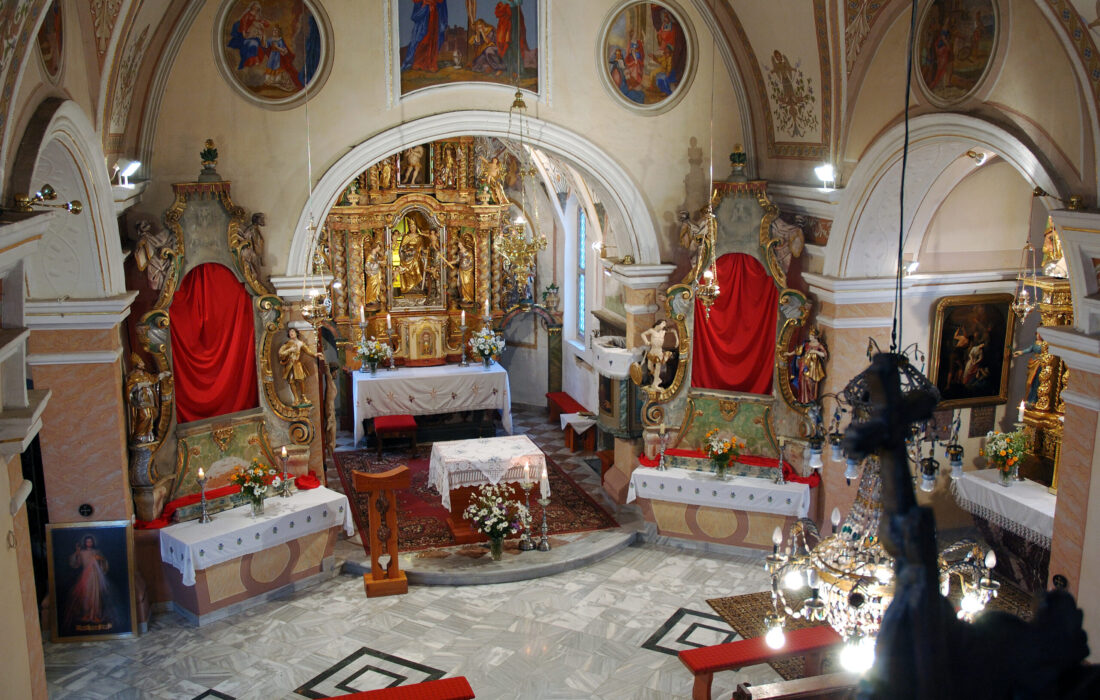
    Located within the Franciscan monastery church, the Chapel of the Holy Sepulchre is considered one of Plečnik’s most beautiful creations. He masterfully transformed the space, weaving rich symbolism into every detail – from the tabernacle and metal ceiling lamps to the door handles and decorative elements.
  • BRIDGE OVER THE NEVLJICA STREAM:
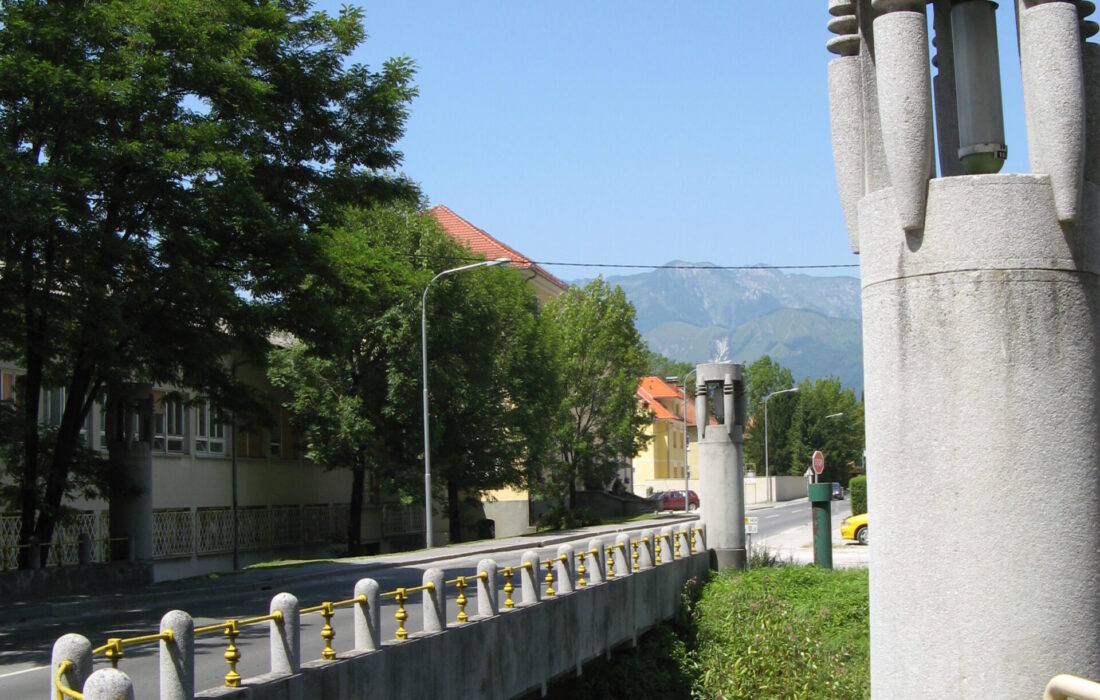
    Featuring an elegant balustrade and concrete lanterns adorned with stylised classical vases, the bridge was designed in detail by Plečnik’s student and assistant Anton Bitenc, following the architect’s original concept.
  • TOMBSTONES AT THE ŽALE CEMETERY:
    The old cemetery contains several family tombstones designed by Plečnik, combining architectural sophistication with sculptural artistry.
    Look for the monuments of the Potočnik, Terpinc, Frolich, Wieltscling, von Franch and Šubelj families.
  • FRANCISCAN MONASTERY LIBRARY INTERIOR:
    Founded in 1627 and home to more than 10,000 works, including valuable incunabula, the library was enhanced by Plečnik’s plans for its interior arrangement and furnishings.
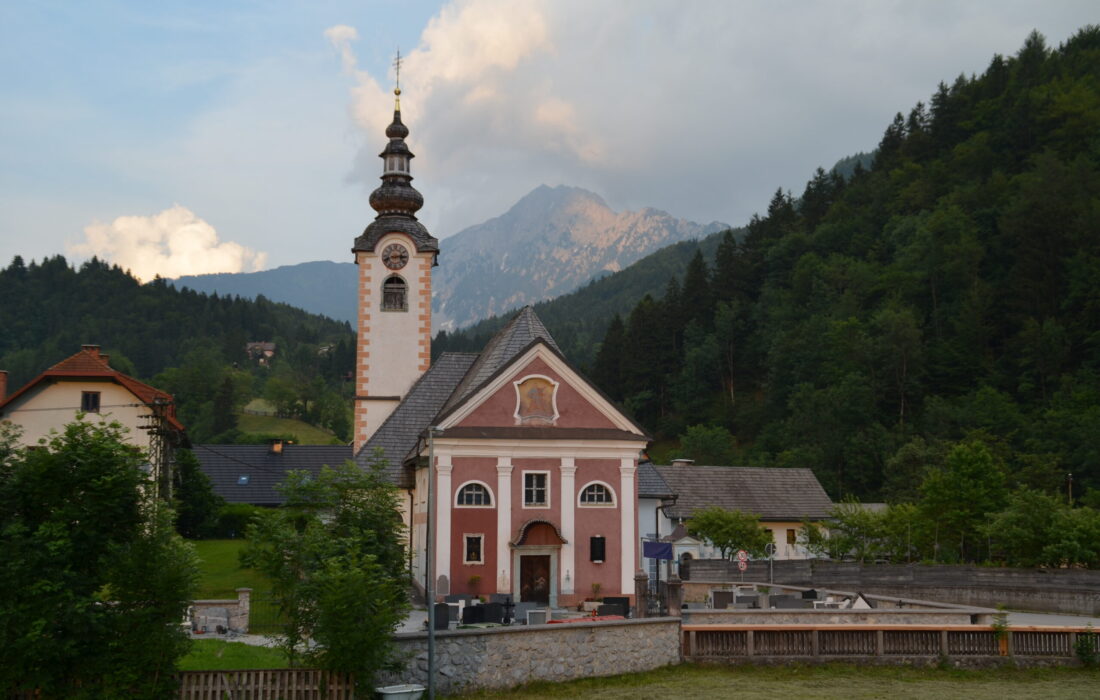
  • RESTORATION OF THE CHURCH OF ST BENEDICT (Zgornje Stranje):
    Prenovo cerkve sta zasnovala skupaj z učenko, arhitektko Majdo Neřima.
    Priča tudi o mojstrstvu lokalnih rokodelcev, ki so sodelovali v prenovi. 
  • KRSTILNICA V CERKVI SV. JURIJA (Nevlje):
    The conversion of a side altar dedicated to the Virgin Mary into a baptistry is one of Plečnik’s earliest examples of this type of intervention.
  • Kapela Božjega groba v cerkvi sv. Jakoba

RADOVLJICA

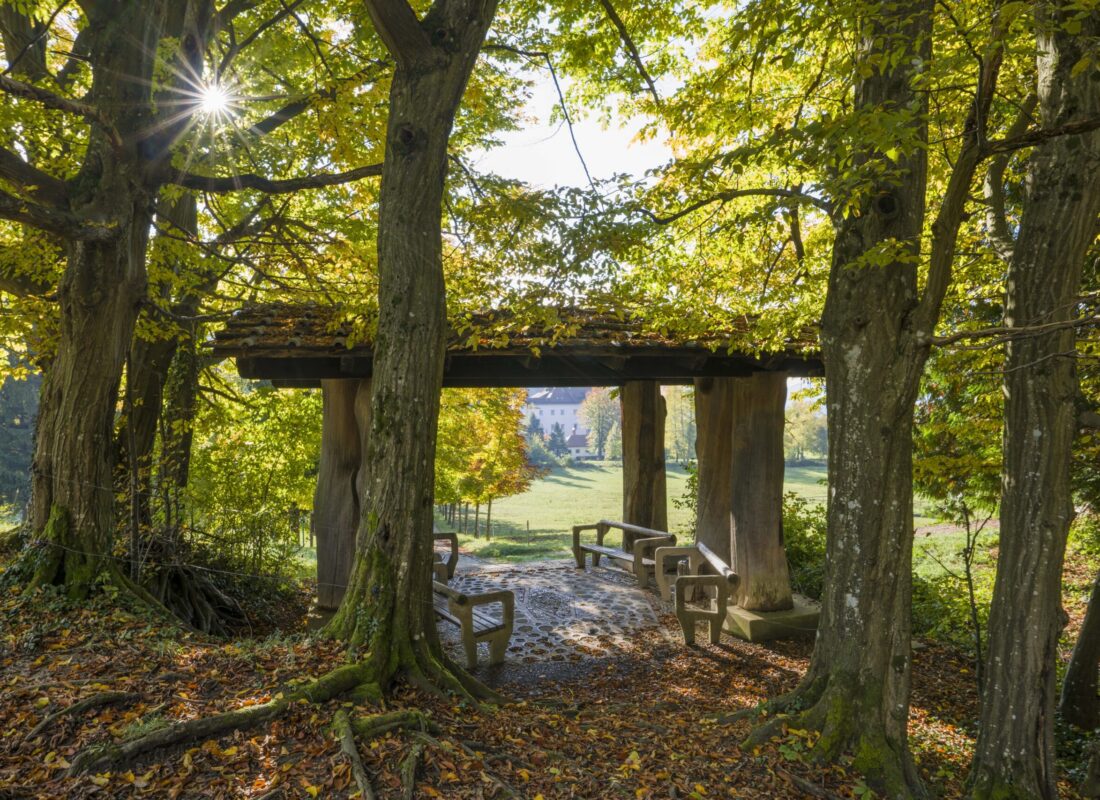
  • BREZJANKA PAVILION (Begunje na Gorenjskem):
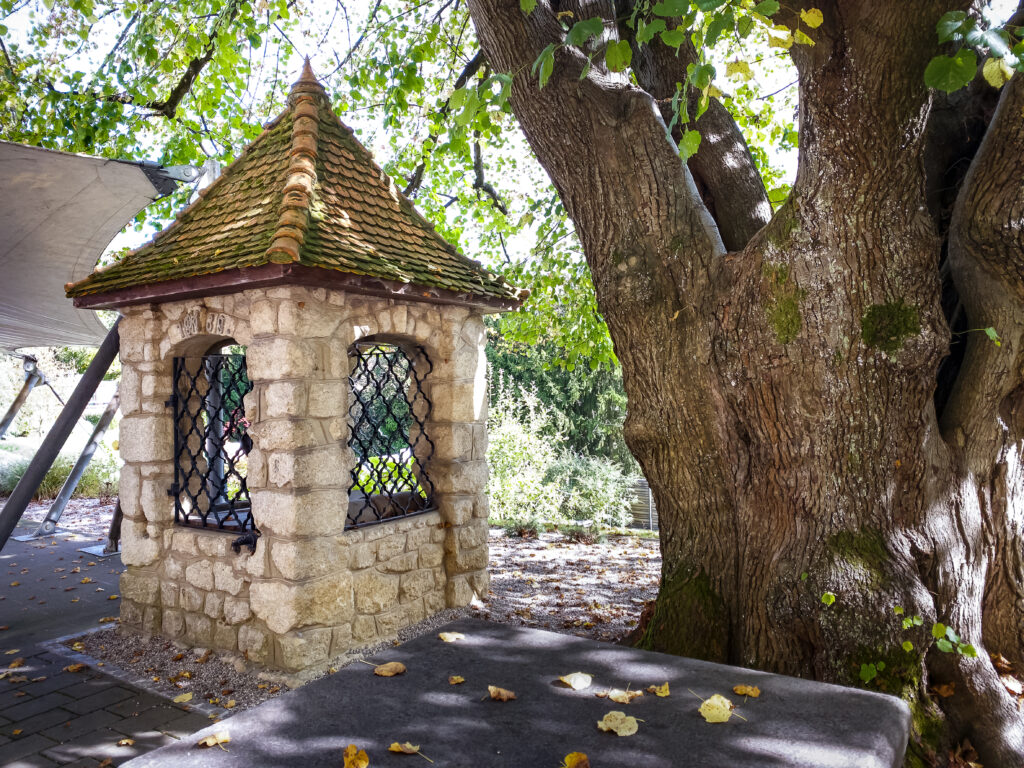
    Brezjanka is a light and elegant open-air viewing pavilion designed by Jože Plečnik as part of the Katzenstein Castle park. It was originally situated alongside a birch-lined avenue, from which it takes its name.
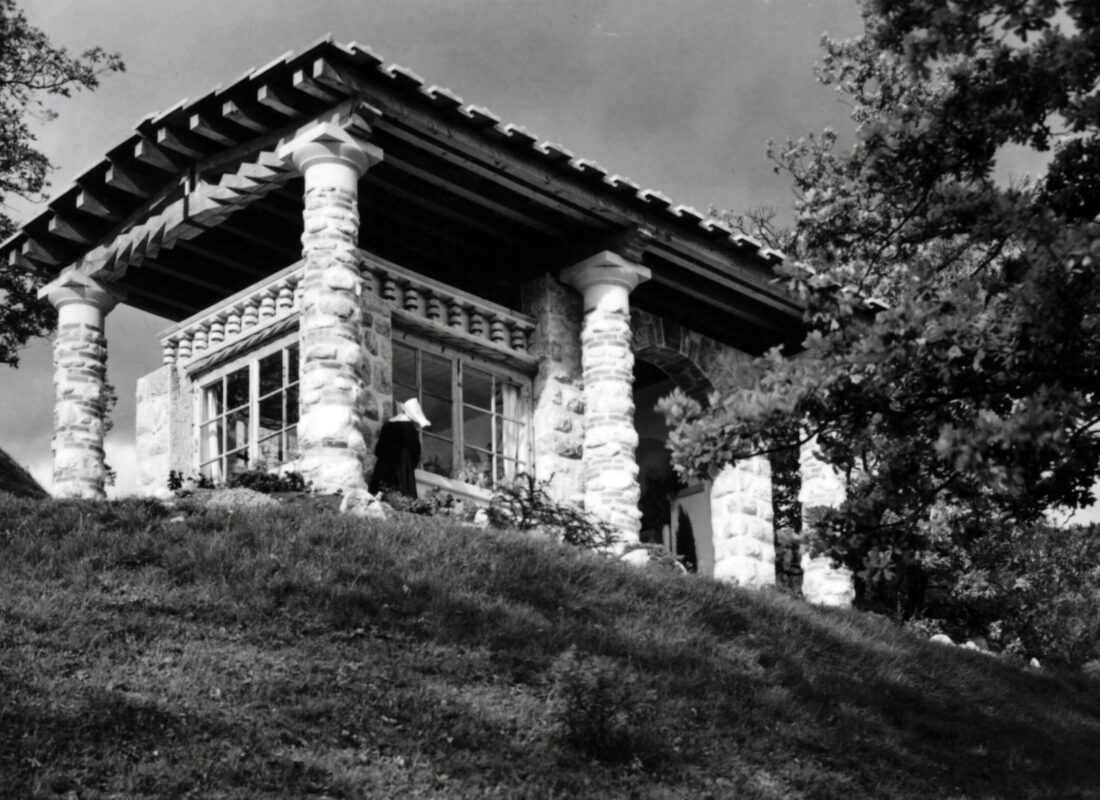
  • JOŽAMURKA PAVILION (Begunje na Gorenjskem):
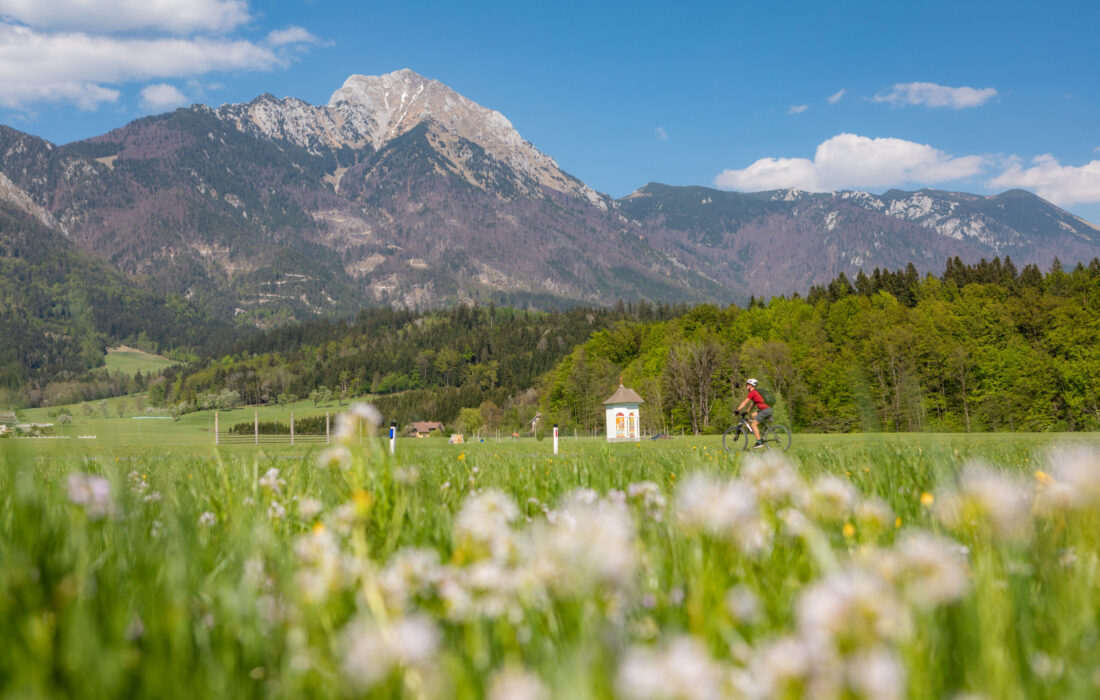
    Conceived as both a chapel and a murka – a small holiday retreat – the Jožamurka Pavilion is built with brick and rough-hewn stone columns and a pebble-paved floor. The pavilion was intended as a place of prayer, contemplation, and quiet reflection.
  • Paviljon Jožamurka

KRANJ

  • ARCADES AND FOUNTAIN BY THE CHURCH OF THE HOLY ROSARY:
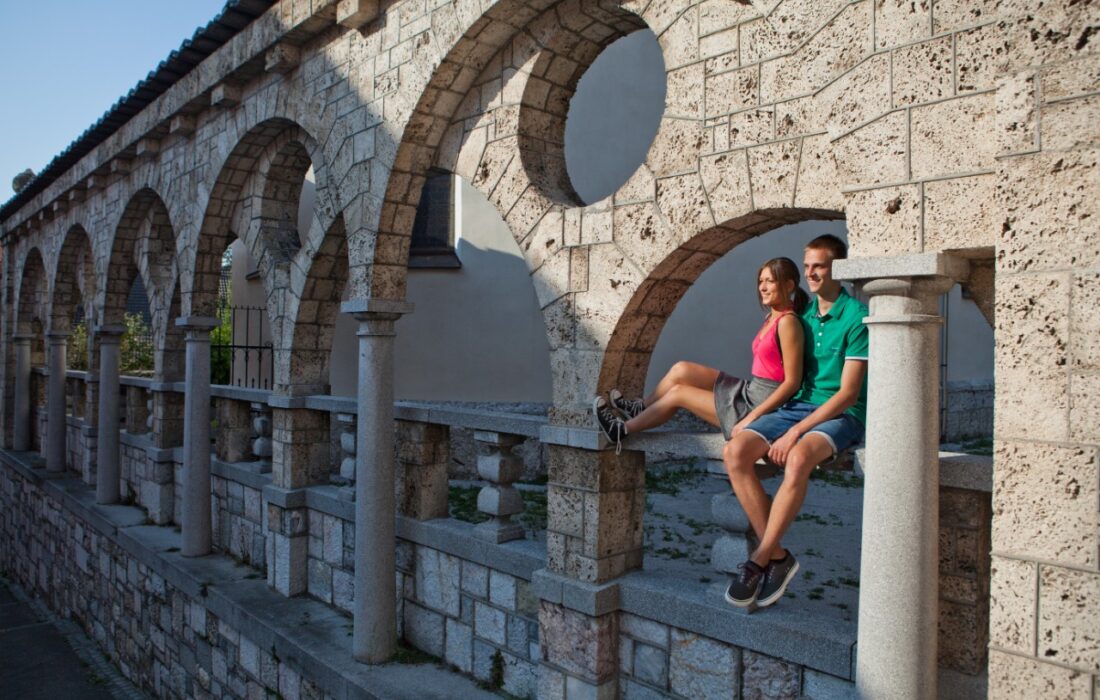
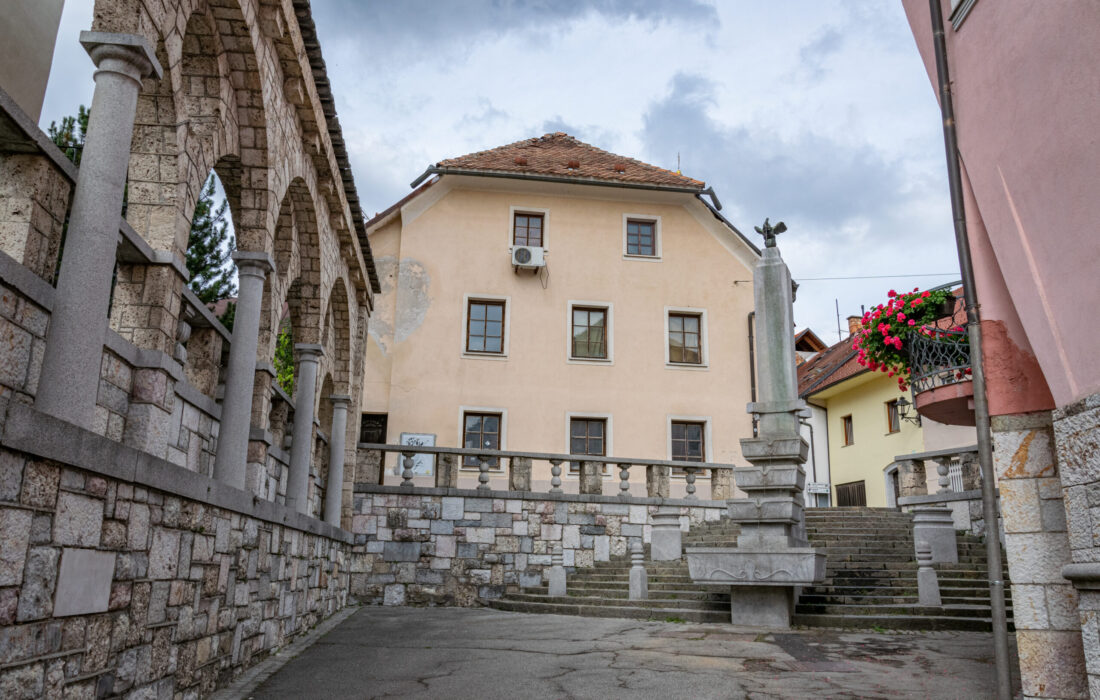
    At the entrance to Kranj’s old town, Jože Plečnik created a striking architectural ensemble beside the Church of the Holy Rosary. A broad staircase framed by twin tufa-stone arcades leads visitors into the old town, while a fountain crowned with a bronze rooster serves as a powerful focal point. The rooster symbolizes vigilance and the dawn of new times, while the flowing water cascading into stone basins represents purification, renewal, and continuity.
  • THE RENOVATION OF THE PREŠEREN THEATRE FAÇADE:
    Plečnik’s plans for the renovation of the façade of Prešeren Theatre were never fully realised due to the outbreak of war. The project focused on redesigning the building’s exterior and creating a prominent entrance portal enriched with decorative architectural elements. These details were designed by Plečnik’s student, Vladimira Bratuž.
  • Pročelje Prešernovega gledališča

KOSTANJEVICA NA KRKI

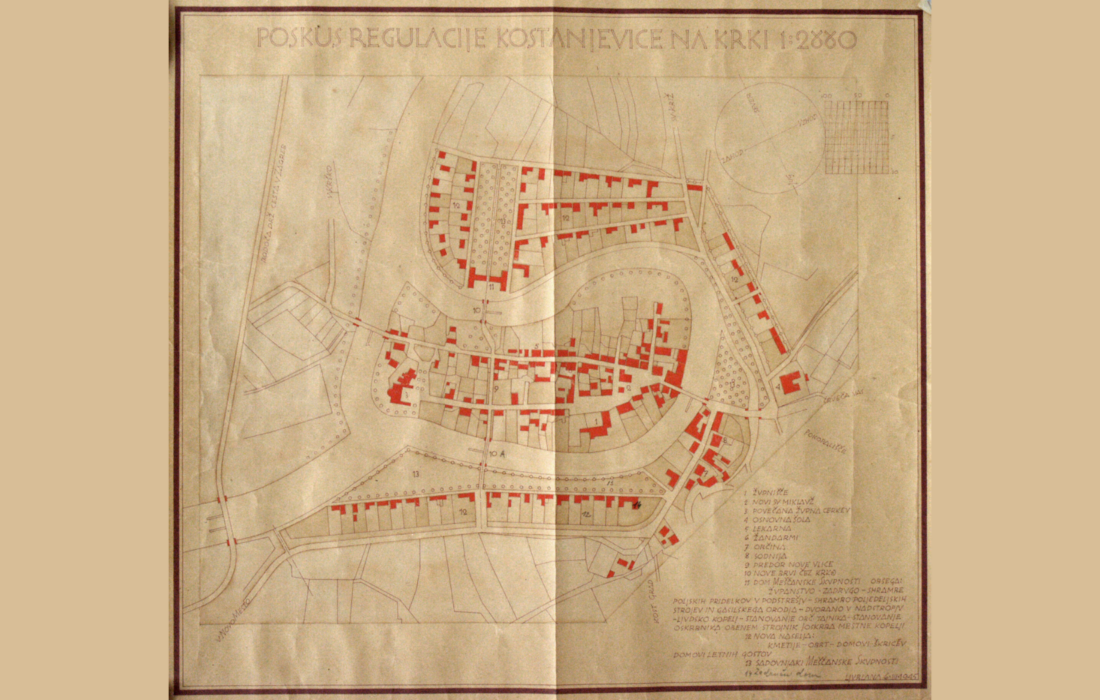
  • URBAN PLANS, PHARMACY INTERIOR AND THE FON FAMILY TOMBSTONE:
    Jože Plečnik’s connection with Kostanjevica na Krki was shaped by his long-standing friendship with the distinguished pharmacist Emilija Fon. For the town, he prepared urban development plans, while also designing the interior furnishings of the local pharmacy and the Fon family tombstone.
  • Kostanjevica na Krki, urbanistični načrt

RIBNICA

  • BELL TOWER OF THE CHURCH OF ST STEPHEN:
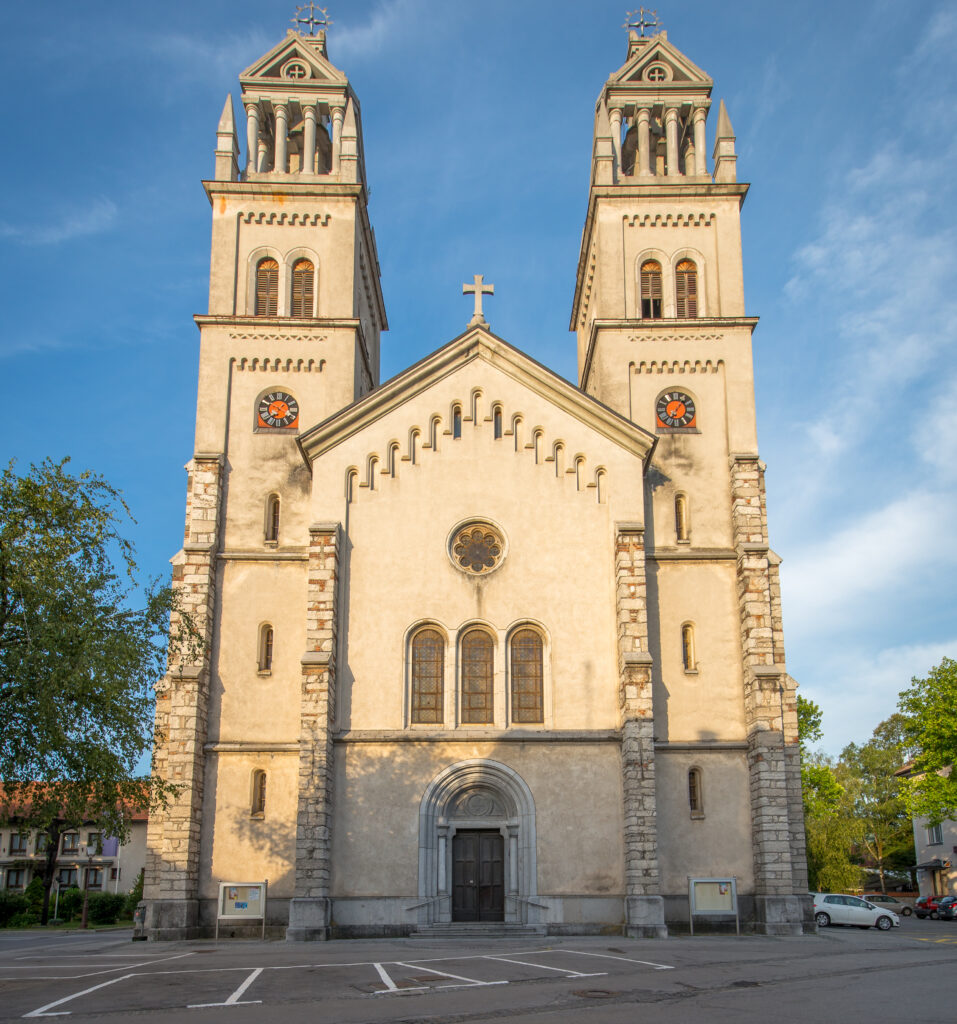
    The restoration of the imposing neo-Romanesque Church of St Stephen is distinguished by its twin bell towers and twelve column-like pinnacles, symbolically representing the Twelve Apostles as the pillars of the Church. This project ranks among Plečnik’s last major works. Following his plans, the church was completed by his student Erna Tomšič.

ŠENTJUR

  • IPAVEC HOUSE RESTORATION:
    Jože Plečnik contributed to the comprehensive restoration of the birthplace of the renowned Ipavec family of composers. As part of the project, he proposed the addition of a fountain and arcades in the garden that today proudly bears his name.

METLIKA

  • CHALICE AND DESIGNS FOR PUBLIC BUILDINGS:
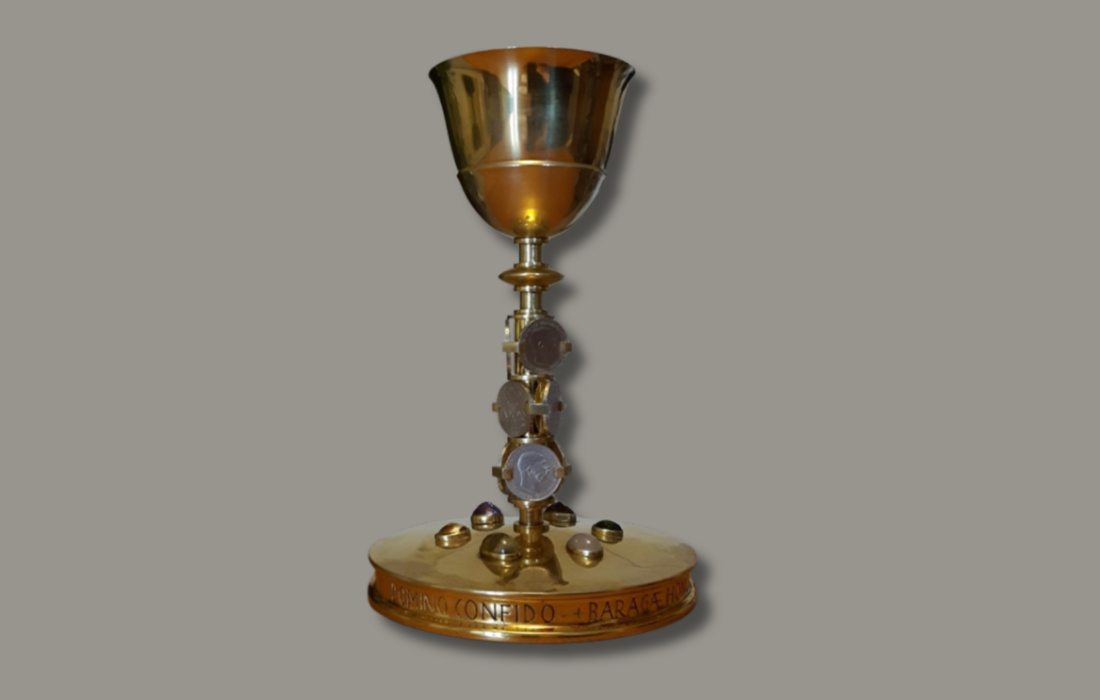
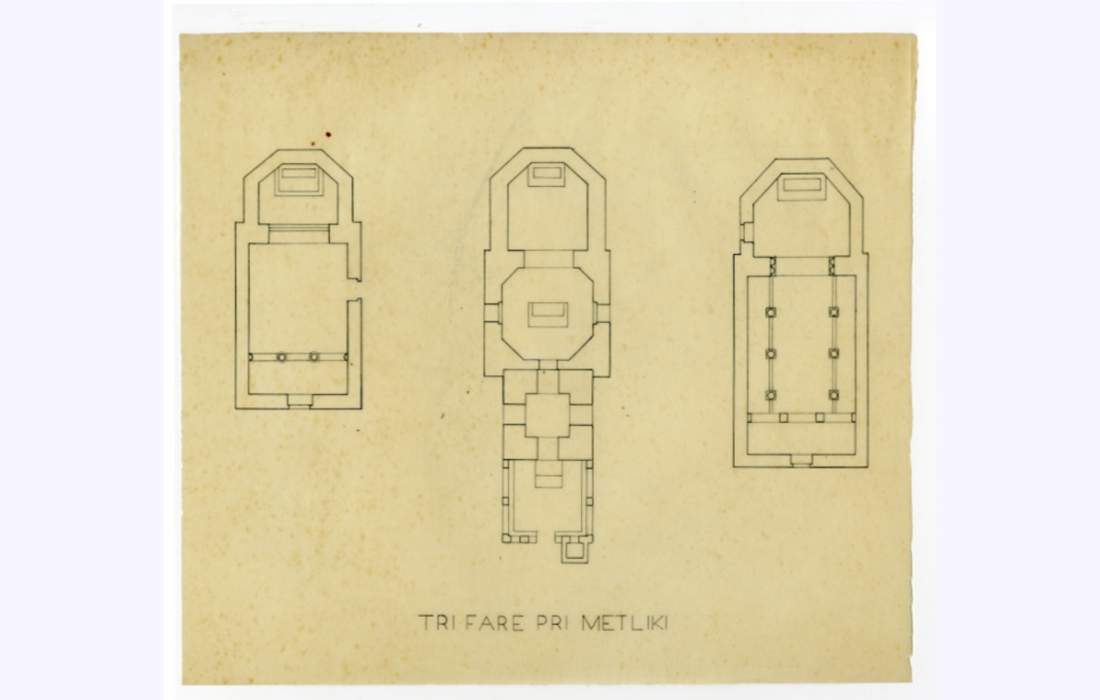
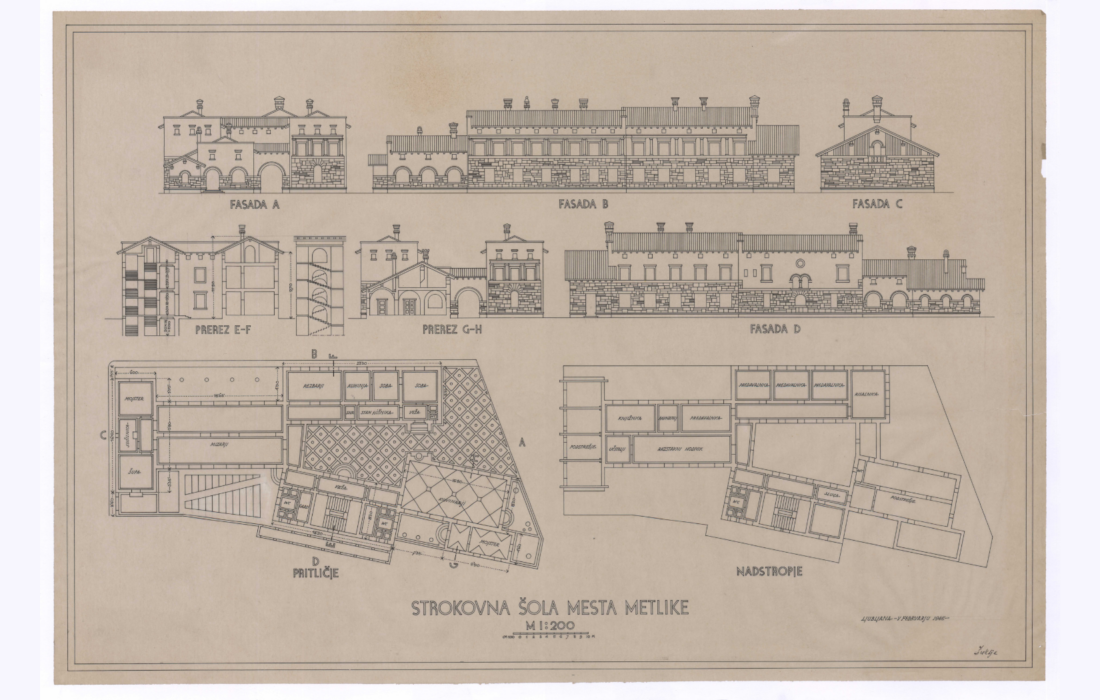
    Together with his student, architect Gizela Šuklje, Plečnik prepared designs for nine new public buildings in Metlika. The local parish also preserves a replica of a unique chalice designed by Plečnik, notable for its unexpected decoration featuring old Austro-Hungarian silver coins bearing the likeness of Emperor Franz Joseph I.
  • Plečnikov kelih

CELJE

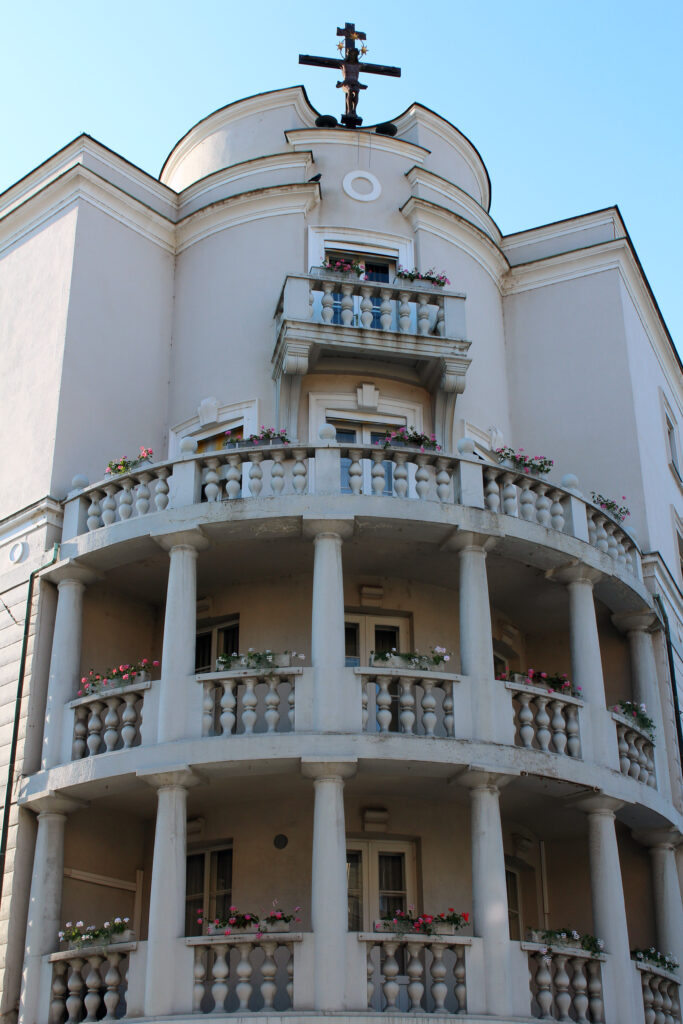
  • LJUDSKA POSOJILNICA (PEOPLE’S SAVINGS BANK BUILDING) CELJE:
    This distinctive building is characterised by corner balconies supported by columns that rise vertically towards the roof, creating a striking architectural composition. The façade is enriched with carefully crafted details, including a vertical termination featuring a crucifix and classical heads sculpted by Božo Pengov. Plečnik’s student Vinko Lenarčič also contributed to the project.
  • SLOVENE PEOPLE’S THEATRE RESTORATION:
    The extensive renovation of the theatre building, particularly its northern and eastern façades, drew upon conceptual sketches by Plečnik. The redesign, whose original architect was Franc Korent, thoughtfully incorporated a cylindrical tower that forms part of the town’s medieval defensive walls.

ŠKOFJA LOKA

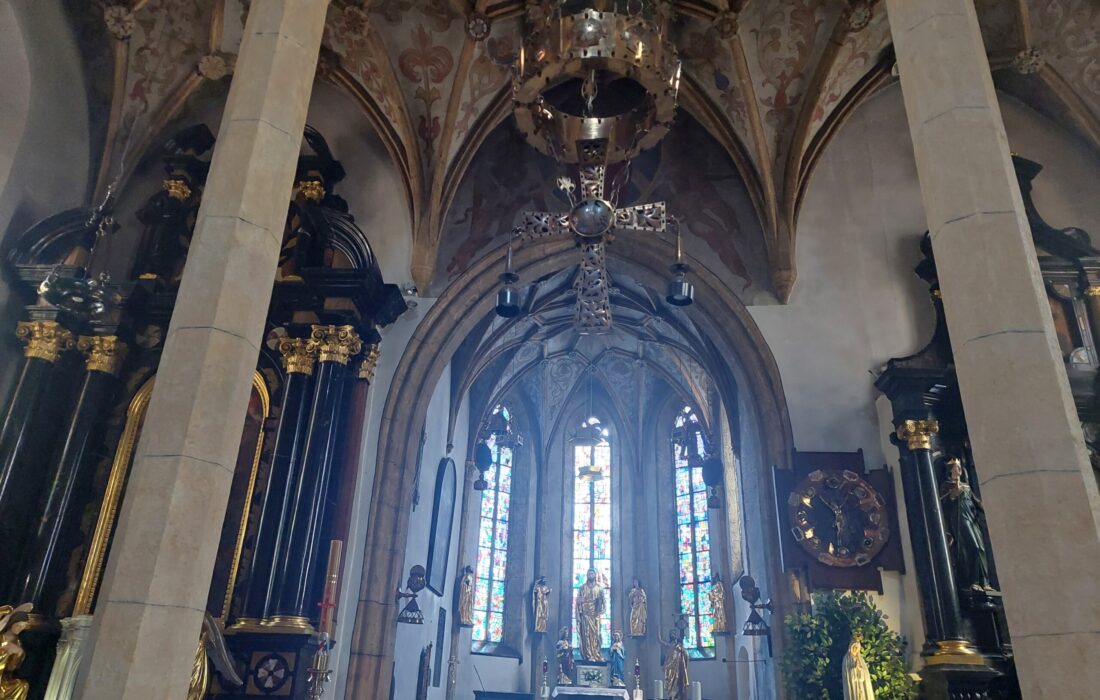
  • BAPTISTRY AND FURNISHINGS OF THE CHURCH OF ST JAMES:
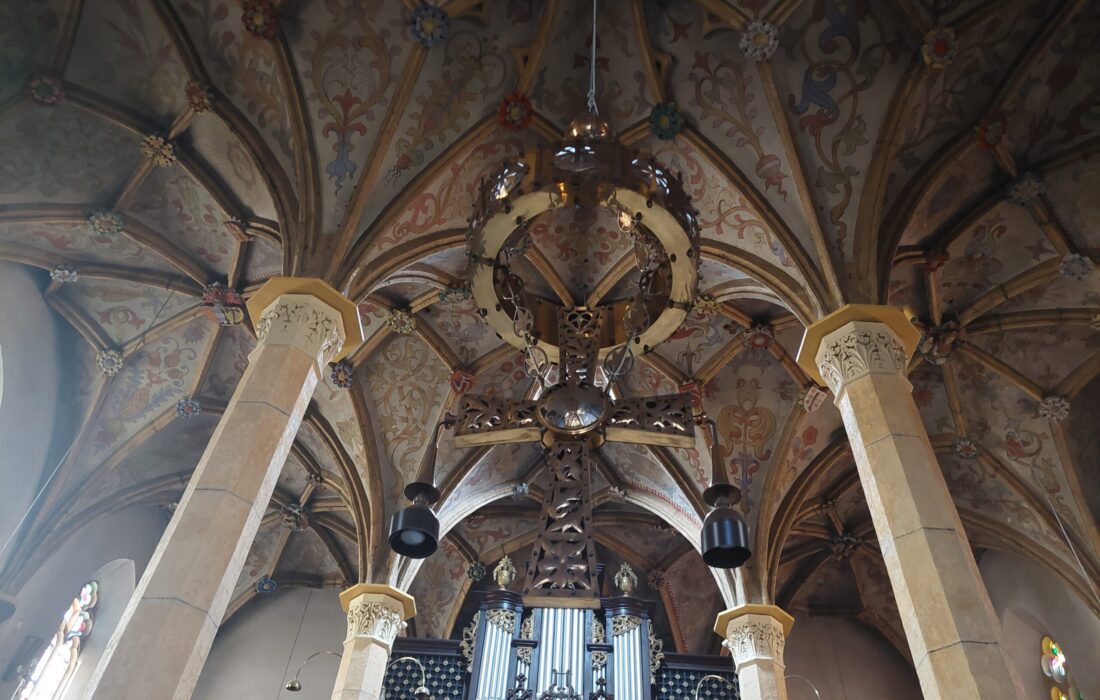
    For the late Gothic Church of St James, Plečnik and his student Anton Bitenc designed a baptistry, crystal chandeliers, and a processional cross, while also reshaping the presbytery. Their interventions enriched the church with Plečnik’s distinctive symbolism.
  • Jože Plečnik v Škofji Loki, foto Andrej Tarfila
    Cerkev sv. Jakoba, foto: Andrej Tarfila

JESENICE

  • DOORS OF THE CHURCH OF ST LEONARD:
    Built in 1523 and renovated several times, the Church of St Leonard is renowned not only for its rich Baroque stucco decoration but also for its remarkable entrance doors. Created by artist France Kralj according to Plečnik’s designs, the doors depict the Evangelists and Apostles.

TRŽIČ

  • FURNISHINGS OF THE CHURCH OF ST CATHERINE IN LOM POD STORŽIČEM:
    Plečnik designed the tabernacle doors and the cover of the baptismal font.
  • Cerkev sv. Katarine v Lomu pod Storžičem

ČRNOMELJ

  • DESIGNS FOR THE CHURCHES OF DRAGATUŠ AND PRELOKA, CHALICE AND CHANDELIERS IN PRELOKA:
    Only the chandeliers and pews in the Church of the Holy Trinity in Preloka were brought to life. Even in these seemingly simple elements, Plečnik wove layers of symbolism and meaning.

NOVO MESTO

  • MEMORIAL TO THE HANGED PARTISANS ON SEIDLOVA CESTA:
    This poignant memorial was designed by Špelka Valentinčič Jurkovič, a student of Plečnik. It incorporates a preserved section of the original iron fence from the site where partisans were executed.
  • NATIONAL LIBERATION WAR MEMORIAL (Velika Bučna Vas):
    Dedicated to 48 fallen fighters and victims of Fascist violence from Velika Bučna Vas and the surrounding area, this memorial takes the form of a column adorned with inscriptions and a garland, crowned by a stylised urn.

Plečnik’s Gorenjska Cycling Route


A Three-Day Cycling Journey


  • V Kranju

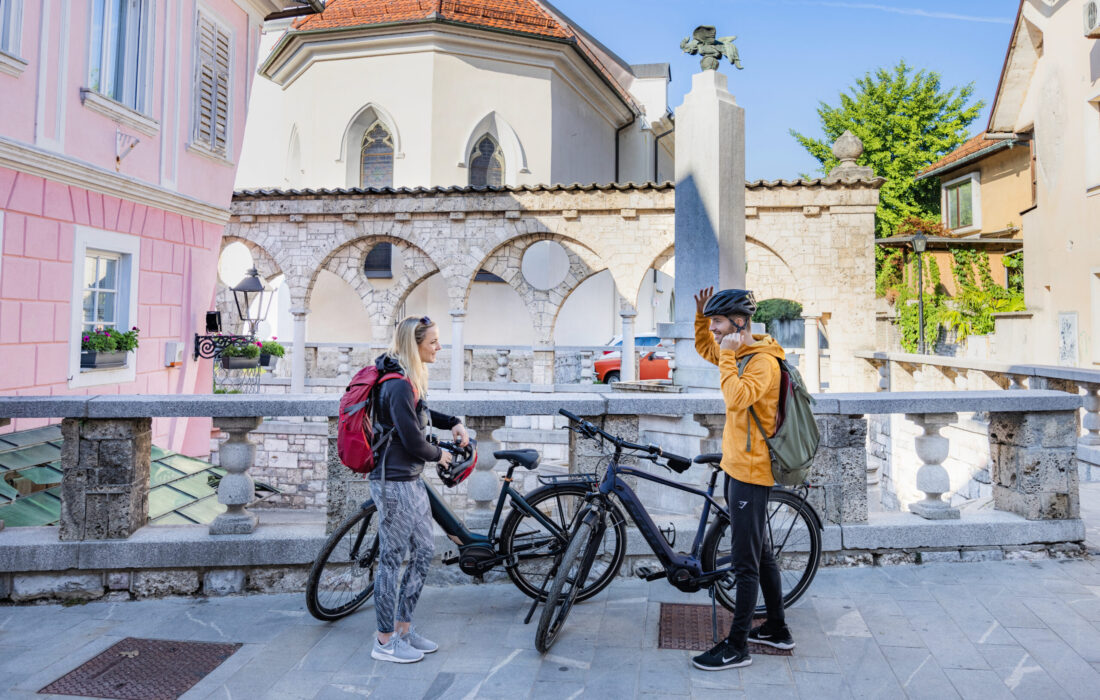
Begin your journey in Ljubljana, the heart of Plečnik’s creative vision. Explore iconic landmarks such as Triple Bridge, the Central Market, the National and University Library, and the Križanke complex before heading north towards Kamnik.


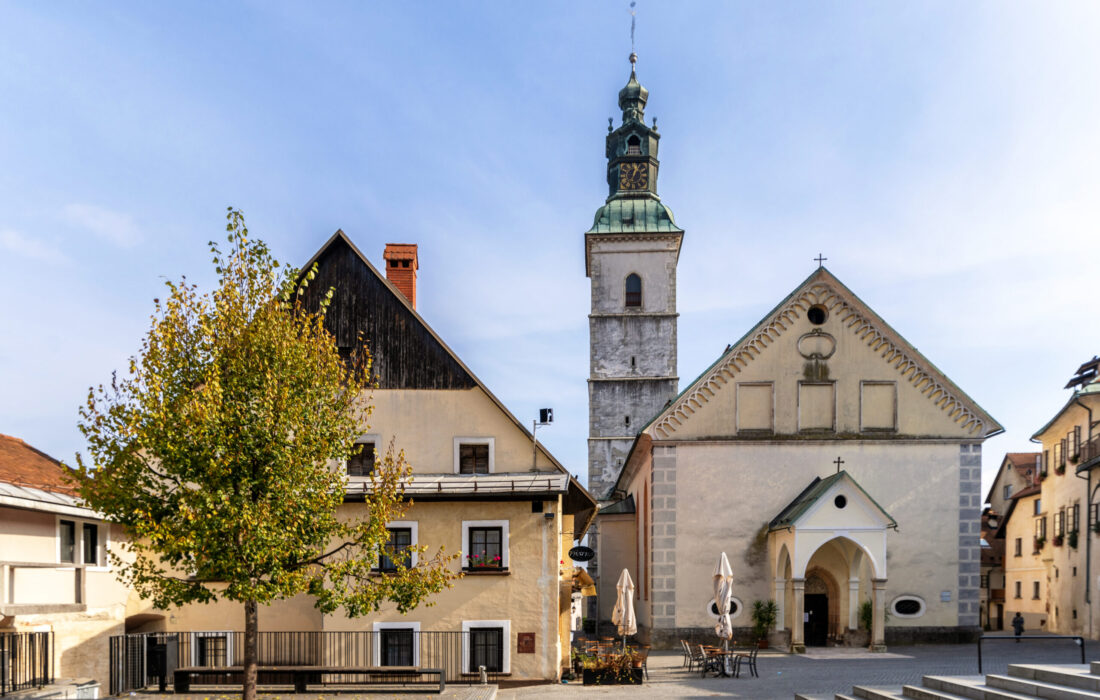
In Kamnik, Plečnik’s presence can be felt throughout the town and its surroundings. Visit the baptistry in the Church of the Immaculate Conception, the distinctive façade on the Main Square, the remarkable Chapel of the Holy Sepulchre in the Church of St James, the bridge over the Nevljica stream and the Kamnik Town railway station. Those wishing to explore further can continue to Nevlje or Kamniška Bistrica, home to King Alexander’s Hunting Lodge.


The route then leads to Kranj, where Plečnik’s arcades, staircase and fountain by the Church of the Holy Rosary create a memorable entrance to the historic town centre. The nearby Prešeren Theatre also bears the unmistakable mark of his architectural vision. Overnight in Kranj.


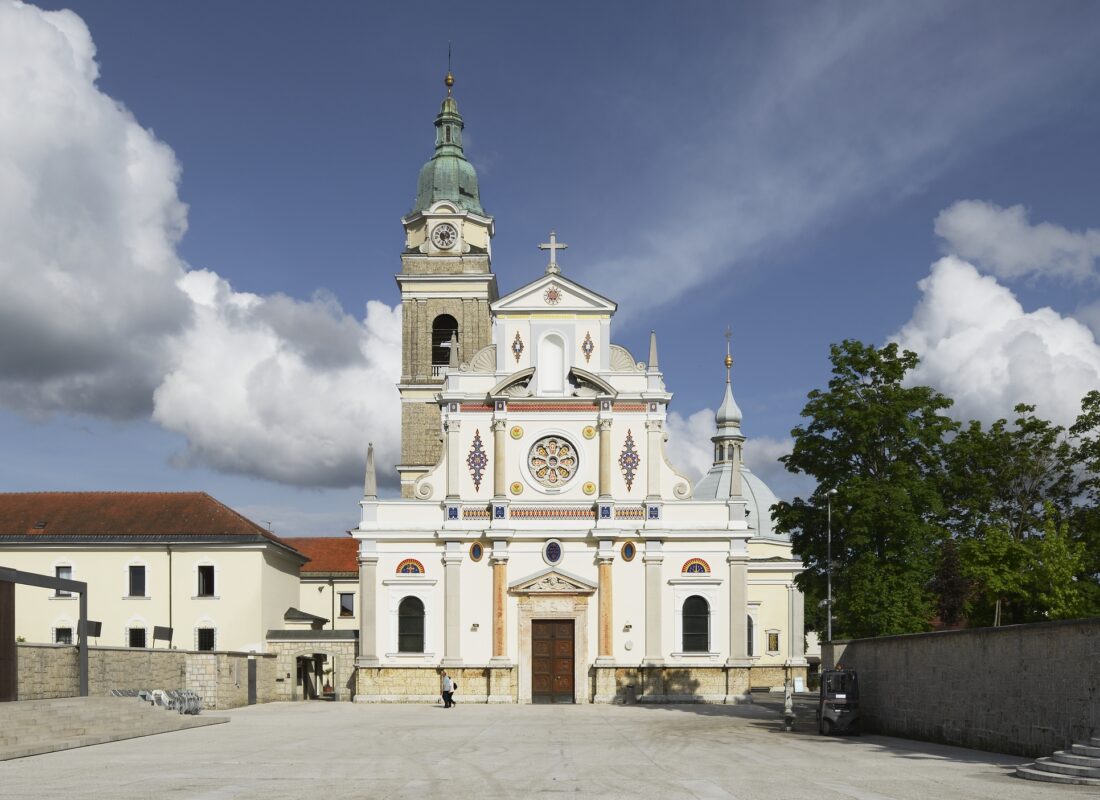
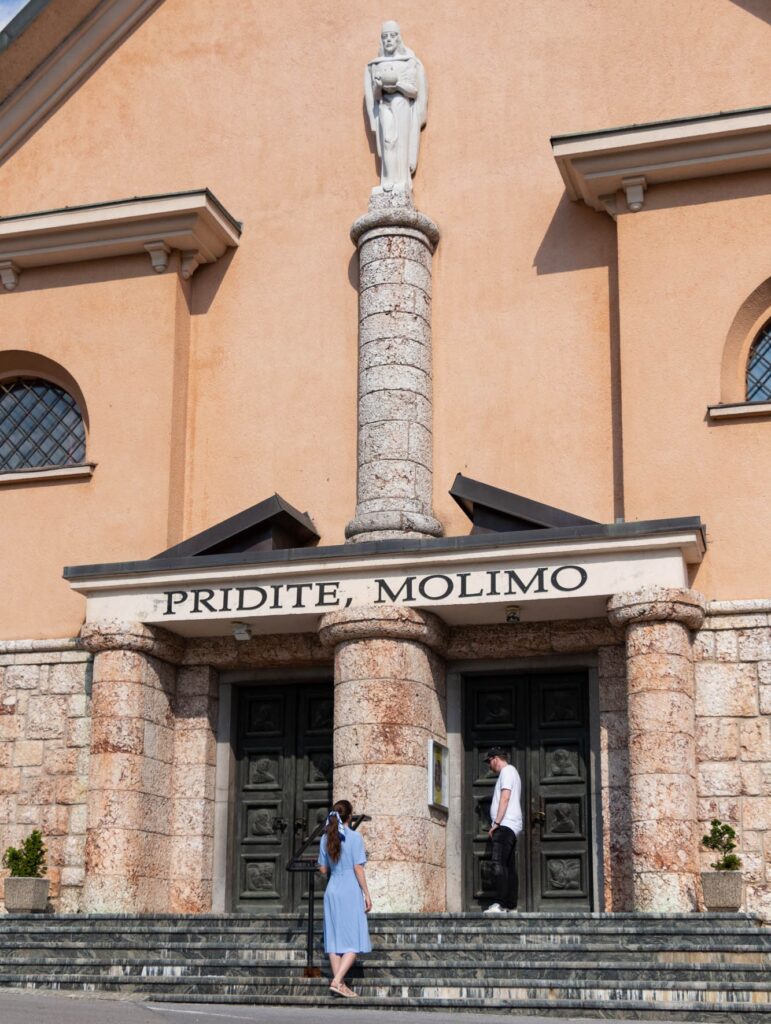
On the second day, cycle to Tržič and the village of Lom pod Storžičem, where the Church of St Catherine preserves furnishings designed according to Plečnik’s plans. Continue to Brezje and admire the square in front of the Basilica of Mary Help of Christians, designed by Plečnik, before heading to Begunje na Gorenjskem to discover the Brezjanka Pavilion and the Jožamurka Pavilion, both remarkable examples of his work.


In the afternoon, continue to Jesenice and visit the Church of St Leonard, renowned for its richly symbolic entrance doors designed according to Plečnik’s vision.

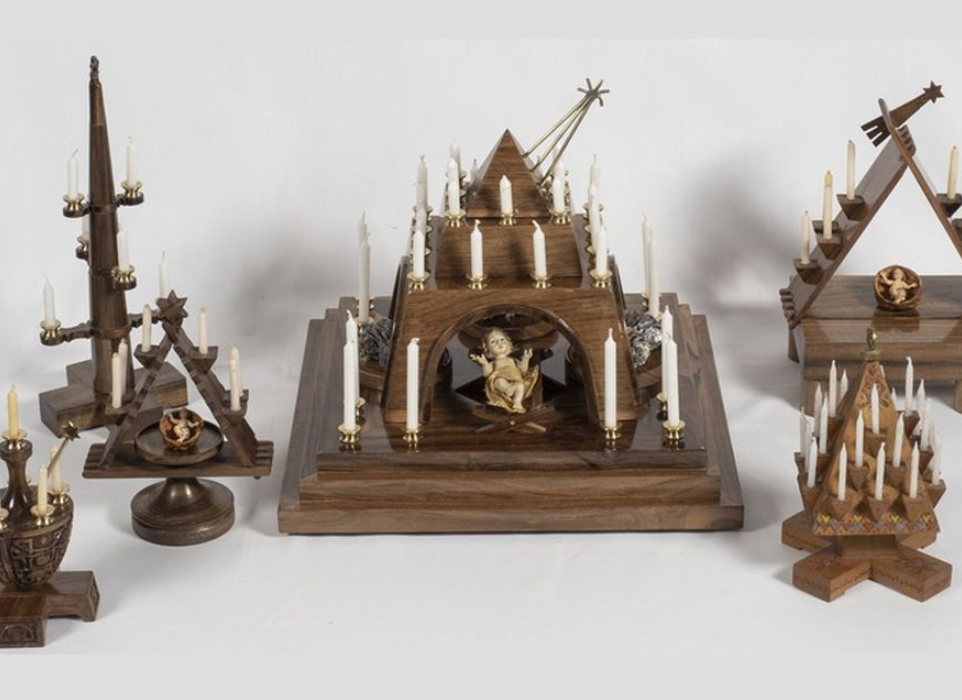
On the final day, return towards Radovljica and continue to Kropa, the cradle of Slovenia’s iron-forging tradition. The Iron Forging Museum preserves numerous handcrafted objects, including wrought-iron candlesticks designed by Plečnik together with master blacksmith Jože Bertoncelj.


Before reaching Škofja Loka, stop in Dolenja Vas to see Plečnik’s monument dedicated to the martyrs of the Selca Valley. Conclude your journey in Škofja Loka, one of Slovenia’s most beautiful medieval towns, where the Church of St James showcases elements inspired by Plečnik’s designs. Return to Ljubljana by bicycle or train.

Candle drawing workshop:
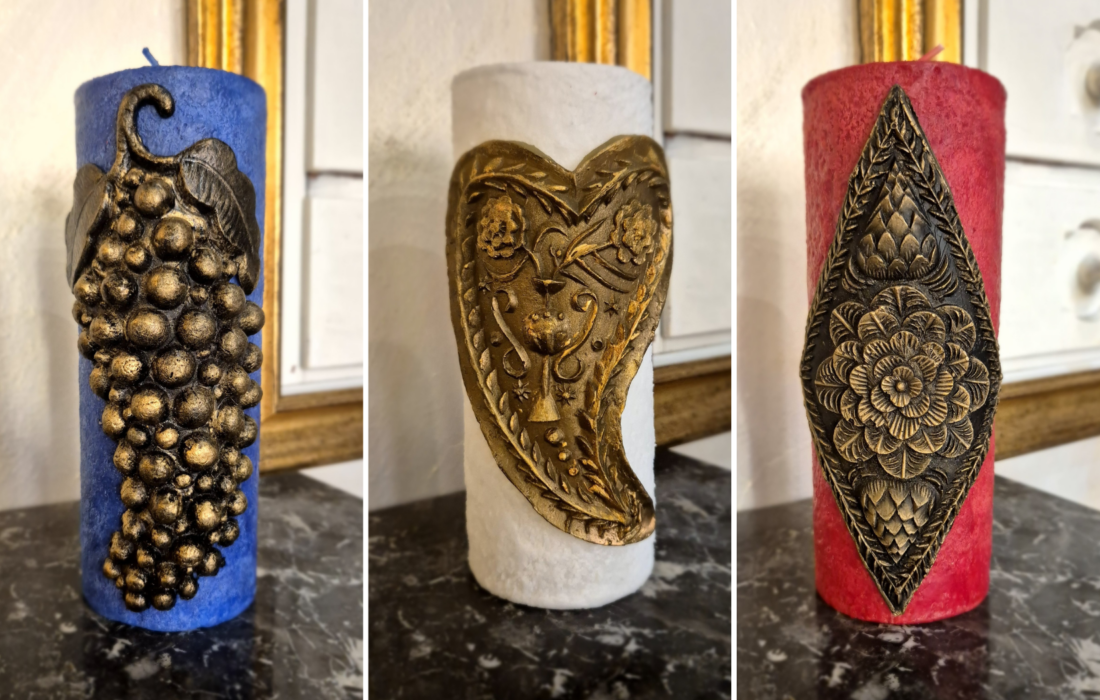
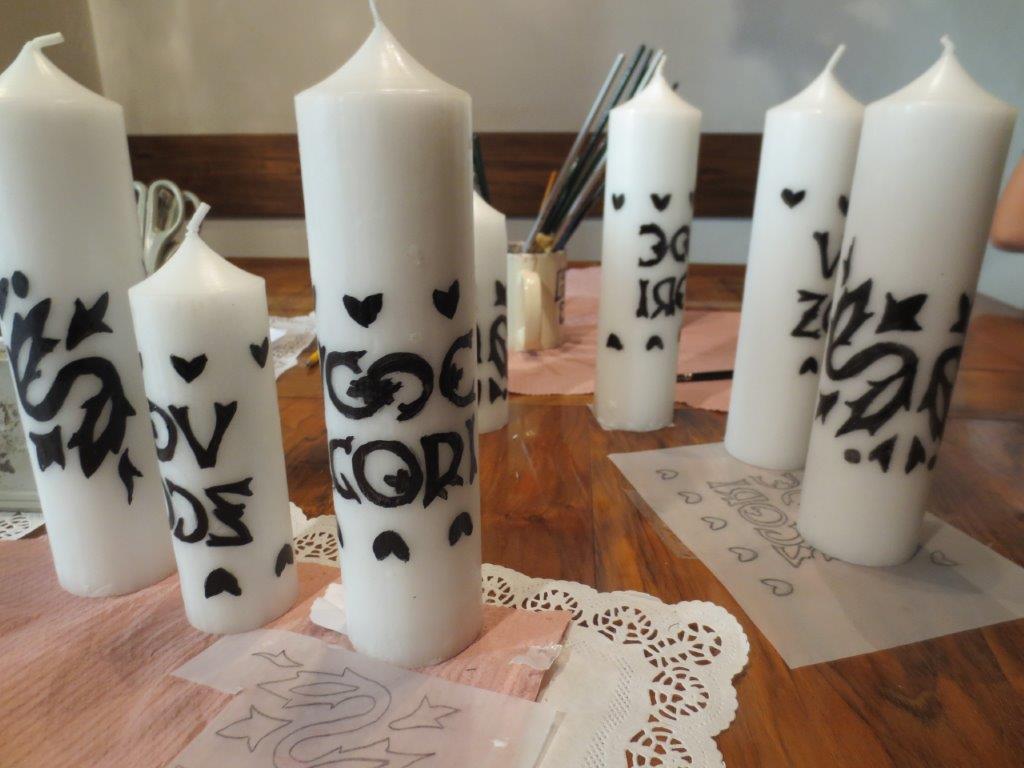
DRAWING PLEČNIK MOTIFS ON CANDLES

Jože Plečnik left a lasting mark not only on architecture but also on design and decorative arts.
During this workshop, participants explore ornamental motifs inspired by nature and symbolism, both central themes in Plečnik’s work, and transfer them onto candles using traditional techniques. Along the way, they discover the richness of Plečnik’s decorative language while developing precision, observation skills and artistic expression.

Watch a short presentation of the Plečnik-inspired candle-making workshop.

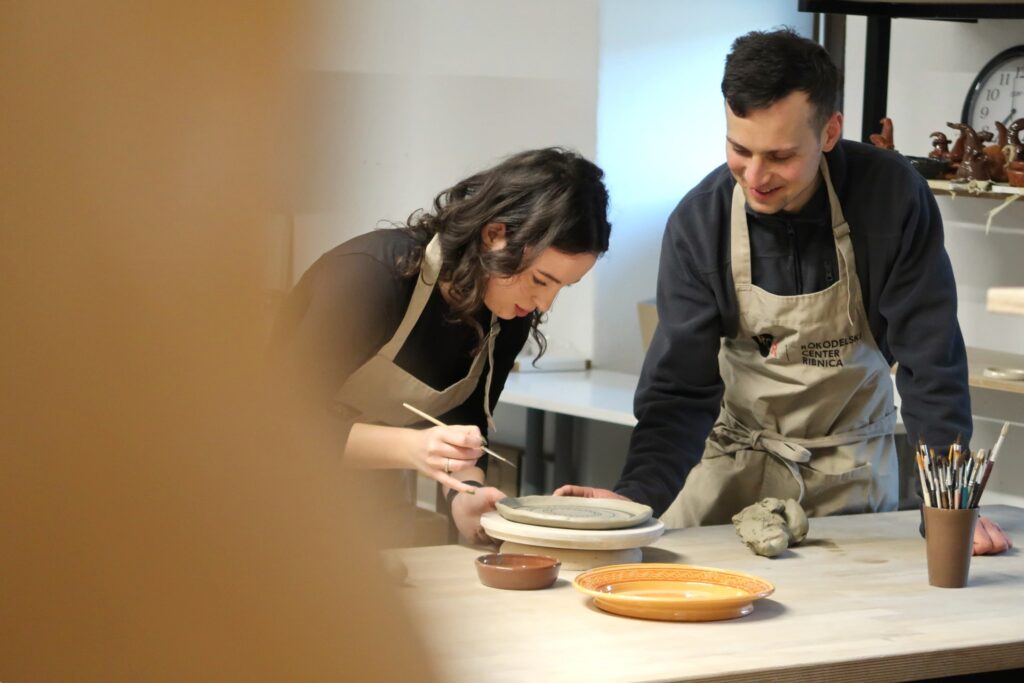
Pottery Workshop, Ribnica Handicraft Centre:
MAKE A CERAMIC PLATE

Clay was one of the natural materials Plečnik frequently incorporated into his work, both as a building material and for decorative ceramic elements. During this workshop, participants learn about clay, its properties and shaping techniques before creating their own ceramic plate – either as a decorative piece or a functional object.

Heritage Conservation Workshop for Children:
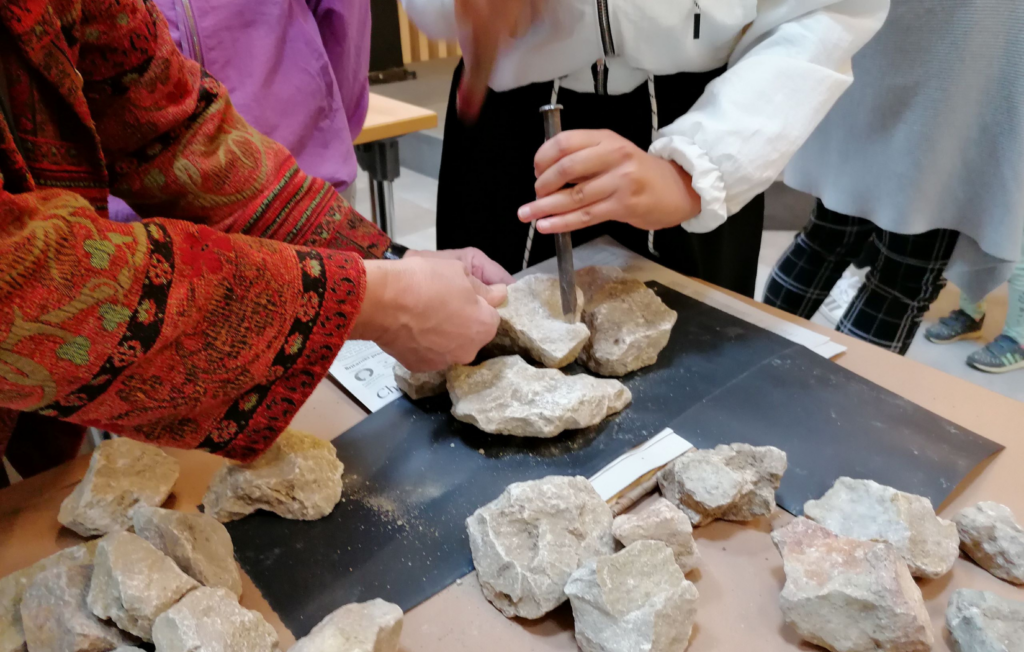
LEARNING FROM MASTER PLEČNIK

Jože Plečnik is renowned for his deep respect for local traditions and his use of natural materials sourced from the surrounding environment. In this hands-on workshop, children build, assemble and create using stone, brick and wood – just as Plečnik did. Through play and creativity, they gain insight into architecture, craftsmanship and design while developing their own artistic skills.